Real Estate Crowdfunding: Is It Worth It?
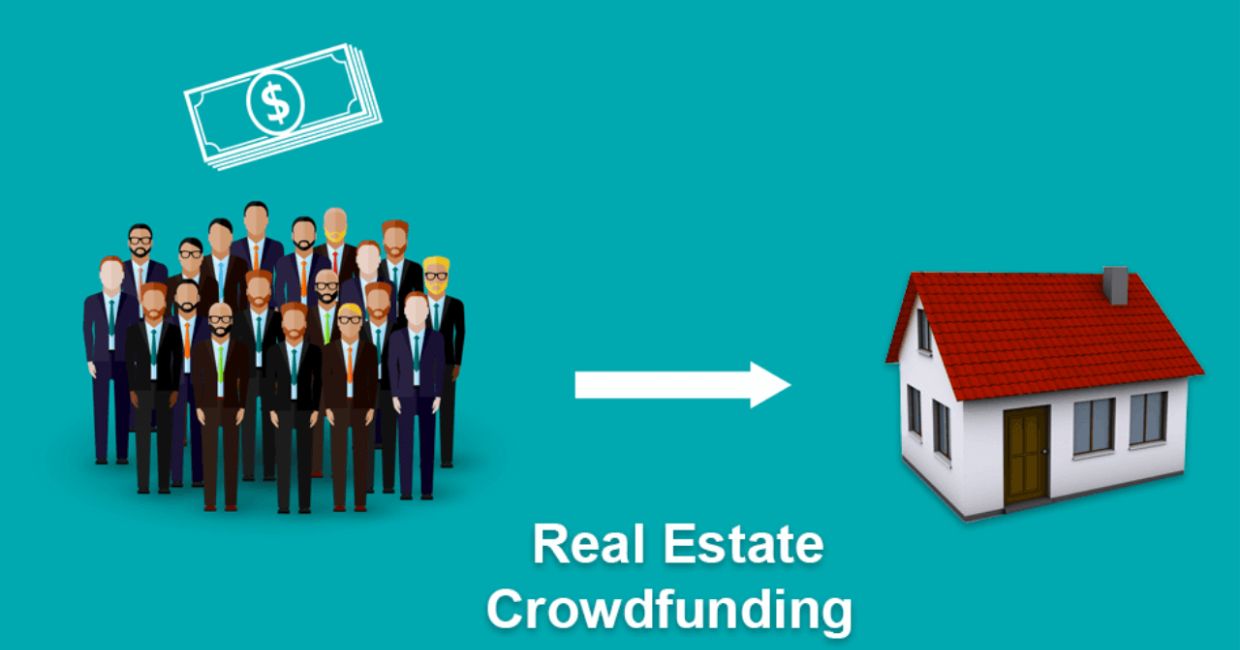
Real Estate Crowdfunding
For decades, investing in real estate was reserved for the wealthy and well-connected — those with deep pockets and access to exclusive property deals. Buying an apartment complex or commercial building required huge capital and management expertise. But with technology transforming the investment landscape, that barrier has largely disappeared.
Enter real estate crowdfunding — a modern innovation that’s made property investment accessible to everyday people. Whether you have $100 or $10,000 to spare, you can now invest in real estate projects alongside thousands of others through online platforms.
But is it really worth your time and money? Does real estate crowdfunding offer genuine returns, or is it just another investment trend? In this in-depth guide, we’ll explore what it is, how it works, its pros and cons, and whether it deserves a spot in your portfolio.
Alternative Investments That Can Grow Your Portfolio
What Is Real Estate Crowdfunding?
Real estate crowdfunding is a method of pooling money from multiple investors to finance real estate projects — such as apartment buildings, commercial properties, or residential developments. Instead of buying an entire property on your own, you contribute a smaller amount and share in the profits generated.
It’s a simple idea with a powerful impact: democratizing real estate investing.
Through specialized online platforms, investors can browse available projects, review details like location, potential returns, and timelines, and then choose which to fund. The property is then managed by professionals, and investors earn returns in the form of rental income, interest payments, or capital appreciation once the project sells.
Crowdfunding platforms act as intermediaries between developers seeking capital and investors seeking passive income or diversification.
How Real Estate Crowdfunding Works
To understand if it’s worth it, you first need to know how the process actually functions. Here’s a step-by-step breakdown:
- Developers Seek Funding
Real estate developers or property owners approach crowdfunding platforms to raise capital for their projects. This could be for construction, renovation, or purchasing new properties. - Project Listing and Review
The platform vets the project, performs due diligence, and then lists it online with detailed information — including location, expected return, term length, and associated risks. - Investors Contribute Funds
Individual investors can browse through these listings and decide how much they want to invest. Minimum investment amounts can range anywhere from $10 to $10,000 depending on the platform. - Project Funding and Management
Once the funding goal is met, the money is used to develop or manage the property. The platform or developer handles all operational and management responsibilities. - Return Distribution
Investors earn returns either through regular rental income (for equity projects) or interest payments (for debt projects). When the project concludes or the property sells, profits are distributed among investors.
Types of Real Estate Crowdfunding Investments
There are two primary models of real estate crowdfunding — equity-based and debt-based. Understanding the difference between them is key to choosing the right fit for your financial goals.
1. Equity Crowdfunding
In equity-based crowdfunding, investors buy a share of the property or project. This means they own a small piece of the real estate and share in both the profits (rental income) and appreciation when it’s sold.
- Pros:
- Potential for higher returns if the property value increases.
- Can earn passive income through rental yields.
- Cons:
- Riskier — returns depend on market performance.
- Longer holding periods (usually 3–7 years).
2. Debt Crowdfunding
In debt-based crowdfunding, investors lend money to property developers or owners in exchange for fixed interest payments over a set term. Essentially, you act as the lender, and the property serves as collateral.
- Pros:
- Lower risk compared to equity crowdfunding.
- Steady, predictable returns.
- Shorter investment timelines (typically 6–24 months).
- Cons:
- No ownership or participation in property appreciation.
- Returns capped at agreed interest rates.
Both options have their advantages — your choice depends on your risk tolerance, liquidity needs, and income goals.
Popular Real Estate Crowdfunding Platforms
Several reputable platforms have emerged over the last decade, catering to different investor types and goals. Some of the most recognized include:
- Fundrise: Known for low minimum investments and user-friendly interfaces. Offers diversified real estate portfolios for beginners.
- RealtyMogul: Provides both equity and debt investments, including REIT-style opportunities.
- CrowdStreet: Targets accredited investors and focuses on commercial real estate projects with higher potential returns.
- Roofstock One: Specializes in single-family rental properties for fractional ownership.
- DiversyFund: Offers automated investing in multifamily properties, making it simple for passive investors.
Each platform has unique minimums, fee structures, and risk profiles, so it’s crucial to research carefully before committing funds.
Benefits of Real Estate Crowdfunding
Now that we’ve covered the basics, let’s explore what makes real estate crowdfunding an attractive addition to modern portfolios.
1. Accessibility
In the past, investing in real estate required tens or hundreds of thousands of dollars. Crowdfunding has eliminated that barrier. Many platforms allow you to start with as little as $100, giving anyone — from beginners to seasoned investors — a chance to participate.
2. Passive Income
Once you invest, there’s no need to manage tenants, handle repairs, or deal with property taxes. Professional managers handle everything while you collect your share of the income — making it one of the easiest ways to earn passive returns.
3. Diversification
Instead of putting all your money into a single property, crowdfunding lets you spread your capital across multiple projects or regions. Diversification reduces overall risk and provides exposure to different types of real estate — residential, commercial, or industrial.
4. Professional Management
Each project is overseen by experienced developers and property managers who handle the complexities of real estate. You benefit from their expertise without needing to get involved directly.
5. Transparent and Data-Driven
Platforms provide detailed project data — including expected returns, timelines, and risk ratings — so investors can make informed decisions. Many even include progress reports and performance updates.
6. Inflation Hedge
Real estate traditionally performs well during inflationary periods, as property values and rents tend to rise with prices. Crowdfunding gives investors access to this hedge without the burden of owning physical property.
Potential Risks of Real Estate Crowdfunding
While the benefits are appealing, it’s essential to understand that crowdfunding isn’t risk-free. Let’s look at some of the potential downsides.
1. Illiquidity
Most crowdfunding investments lock up your money for a period — often between 3 to 10 years. Unlike stocks, you can’t easily sell your shares or withdraw funds before the project ends.
2. Market and Economic Risk
Real estate markets fluctuate. If property values drop or tenants default, your returns may be lower than expected. In extreme cases, you could even lose your investment.
3. Platform Risk
Crowdfunding platforms themselves can pose risks. If a platform goes out of business or fails to vet projects properly, investors might suffer losses. Always choose platforms with solid track records and regulatory compliance.
4. Limited Control
Unlike owning property directly, you have no say in how projects are managed, rented, or sold. All major decisions rest with developers or platform managers.
5. Fees
Platforms charge management, servicing, and performance fees that can cut into your returns. Always read the fine print before investing.
6. Regulatory Uncertainty
While crowdfunding is regulated, rules vary by country and may evolve over time. Changes in regulations could affect how platforms operate or what projects are available.
Comparing Real Estate Crowdfunding to Traditional Real Estate Investing
To understand if it’s truly worth it, let’s compare crowdfunding with direct property investment.
| Aspect | Real Estate Crowdfunding | Traditional Real Estate |
|---|---|---|
| Initial Investment | Low (as little as $100) | High (often $50,000+) |
| Liquidity | Low – funds locked for years | Moderate – can sell property but takes time |
| Control | None – passive investment | Full control over decisions |
| Management | Managed by professionals | Requires active management |
| Diversification | Easy across multiple projects | Hard – usually limited to one or two properties |
| Risk Level | Moderate – depends on platform and project | Variable – depends on market and property |
| Accessibility | High – online platforms available | Limited by capital and expertise |
In essence, crowdfunding offers convenience and diversification, while traditional real estate offers control and potential for higher returns if managed wisely.
Who Should Consider Real Estate Crowdfunding?
Real estate crowdfunding isn’t for everyone. It suits certain investor profiles better than others.
You may consider it if you:
- Want real estate exposure but lack the capital for direct ownership.
- Prefer hands-off investing with professional management.
- Seek diversification across multiple properties or regions.
- Are comfortable with medium-to-long-term horizons.
- Don’t need immediate access to your invested capital.
However, if you prefer direct control over your properties or need liquidity, traditional investing may be a better choice.
Returns: What Can You Expect?
Returns vary depending on project type, platform, and market conditions. Historically, real estate crowdfunding returns have ranged from 8% to 15% annually, depending on risk level.
- Debt investments typically yield 6–10% annually.
- Equity investments can produce 10–20%+, but with higher volatility.
Remember that returns are not guaranteed. Economic downturns or project delays can affect profits, so diversify and invest only what you can afford to lose.
Tips for Investing in Real Estate Crowdfunding
If you decide to explore this path, here are key tips for success:
1. Research Platforms Thoroughly
Check platform reputation, regulatory compliance, and performance history. Read investor reviews and look for transparency in project listings.
2. Start Small
Begin with a modest amount to understand how crowdfunding works before committing larger sums.
3. Diversify Across Projects
Spread investments across different property types (residential, commercial, industrial) and geographic regions to minimize risk.
4. Review Terms Carefully
Understand holding periods, fees, and potential exit options. Be clear about when and how you’ll receive returns.
5. Monitor Performance
Most platforms offer dashboards with project updates — use these to track your investments and assess progress.
6. Know Your Risk Tolerance
If you can’t tolerate long lock-up periods or potential losses, this may not be the right choice for you.
The Future of Real Estate Crowdfunding
The future of real estate crowdfunding looks promising. As technology advances, transparency and accessibility are improving rapidly. Several trends are shaping its next phase:
1. Increased Regulation
Governments are introducing stricter oversight to protect investors and ensure fair practices. This could make crowdfunding safer and more mainstream.
2. Blockchain Integration
Some platforms are experimenting with tokenized real estate — using blockchain technology to represent ownership shares as digital tokens. This could improve liquidity and efficiency in the coming years.
3. Global Expansion
Real estate crowdfunding is no longer limited to the U.S. or Europe. Emerging markets in Asia and the Middle East are adopting this model to attract international investors.
4. Institutional Participation
Large financial institutions are beginning to invest through crowdfunding platforms, signaling increased confidence and maturity in the sector.
Is Real Estate Crowdfunding Worth It?
The answer depends on your goals, time horizon, and risk appetite.
If you want a hands-off, low-barrier way to invest in real estate, crowdfunding can be an excellent choice. It offers passive income, diversification, and access to professional-grade projects that were once out of reach for ordinary investors.
However, if you value liquidity, control, or are uncomfortable with potential platform risks, it may not be the ideal investment.
For most investors, the best approach is balance — using real estate crowdfunding as one component of a diversified portfolio that includes stocks, bonds, and other asset classes.
Conclusion
Real estate crowdfunding represents the future of property investing — combining the power of technology, collaboration, and accessibility. It has opened doors for everyday investors to participate in lucrative real estate markets without the heavy capital or headaches of traditional ownership.
While it’s not without risks, its potential for steady returns, passive income, and portfolio diversification makes it a compelling choice in today’s evolving financial landscape.
If approached wisely, real estate crowdfunding can absolutely be worth it — not as a get-rich-quick scheme, but as a strategic, long-term addition to your investment toolkit.