How to Create a Personal Wealth Plan

Personal Wealth Plan
In today’s fast-paced world, achieving financial stability and independence is not about luck — it’s about planning. A personal wealth plan serves as your roadmap to building, managing, and preserving wealth over time. It’s a structured approach to setting goals, controlling expenses, investing wisely, and creating long-term financial freedom.
Whether you’re starting with little savings or already earning a stable income, creating a personal wealth plan helps you stay focused, disciplined, and intentional about your money. In this detailed guide, we’ll walk through everything you need to know about designing a personal wealth plan from scratch — step by step — so you can confidently move toward financial independence.
Wealth Building 101: How to Start from Zero
1. Understanding What a Personal Wealth Plan Is
A personal wealth plan is more than just a budget or savings goal — it’s a comprehensive financial strategy designed around your life ambitions. It defines how you’ll earn, spend, save, invest, and protect your money to reach your personal and financial objectives.
The plan takes into account:
- Your current financial situation
- Your short- and long-term goals
- Your risk tolerance
- Your income streams and assets
- And the steps needed to grow wealth over time
Think of it as your personal business plan — but instead of managing a company, you’re managing your financial life.
2. Why You Need a Personal Wealth Plan
Without a plan, money tends to disappear as quickly as it arrives. Most people spend years working hard, yet never accumulate lasting wealth because they don’t manage their finances strategically.
Here’s why a personal wealth plan is crucial:
- It gives your money purpose and direction.
- It helps you track progress and adjust when life changes.
- It provides clarity and confidence in financial decisions.
- It ensures you’re prepared for emergencies, retirement, or opportunities.
- It transforms financial stress into financial control.
Wealth doesn’t happen by accident — it’s built through intentional planning and consistent execution.
3. Assess Your Current Financial Situation
Before creating your plan, you must first know where you stand. This assessment lays the groundwork for realistic goals and decisions.
Step 1: List Your Income Sources
Include your salary, side hustles, rental income, or any passive income streams.
Step 2: Track Your Expenses
List fixed expenses (rent, utilities, insurance) and variable expenses (food, entertainment, shopping).
Step 3: Identify Debts
Include credit cards, student loans, personal loans, and any other outstanding balances.
Step 4: Calculate Your Net Worth
Net worth = Total Assets – Total Liabilities.
If your net worth is negative, don’t be discouraged — this step is about awareness, not judgment. It helps you measure progress as you grow wealth.
4. Define Your Financial Goals
Wealth planning begins with clear, actionable goals. Without knowing what you’re working toward, you can’t design a plan to reach it.
Set SMART Goals
Your goals should be:
- Specific (e.g., “Save $50,000 for a down payment”)
- Measurable (you can track progress)
- Achievable (realistic given your income)
- Relevant (aligned with your life vision)
- Time-bound (with a clear deadline)
Examples of Wealth-Building Goals
- Save 6 months of emergency expenses in one year.
- Pay off all credit card debt within 18 months.
- Invest 15% of monthly income in index funds.
- Buy an investment property in 5 years.
- Achieve financial independence by age 50.
Having both short-term (1–3 years) and long-term (5–20 years) goals keeps you motivated and ensures you’re balancing immediate needs with future security.
5. Build a Realistic Budget
A wealth plan cannot exist without a solid budget. Your budget is the daily action plan that aligns spending with your goals.
One effective structure is the 50/30/20 rule:
- 50% for essentials (housing, food, transportation)
- 30% for discretionary spending (entertainment, lifestyle)
- 20% for savings and investments
If your goal is to accelerate wealth building, adjust to 60/20/20 or 70/10/20, reducing non-essential spending and prioritizing investing.
Tips for Effective Budgeting
- Track every expense for at least 30 days.
- Use budgeting apps or spreadsheets.
- Set monthly savings goals and automate them.
- Review and adjust your budget quarterly.
A well-structured budget ensures you’re not just earning money — you’re directing it toward growth.
6. Build an Emergency Fund
Before investing, create a safety net. Life is unpredictable — job loss, medical emergencies, or car repairs can derail your finances if you’re not prepared.
Aim to save 3 to 6 months of living expenses in a separate, easily accessible account.
This fund protects your personal wealth plan from being disrupted by short-term setbacks. It also prevents you from relying on credit cards or loans during emergencies.
7. Manage and Eliminate Debt
Debt management is a key pillar of wealth creation. Not all debt is bad, but high-interest debt can cripple your progress.
Steps to Manage Debt
- List all debts with interest rates and minimum payments.
- Use either:
- Debt Snowball Method: Pay off the smallest debt first for motivation.
- Debt Avalanche Method: Pay off the highest interest rate debt first to save money.
- Avoid taking on new debt unless it’s for appreciating assets or business opportunities.
- Refinance or consolidate high-interest loans if possible.
Remember: being debt-free is the foundation on which true wealth can grow.
8. Start Saving Consistently
Saving is your bridge between earning and investing. Even if your income is modest, consistency matters more than amount.
Smart Saving Strategies
- Automate your savings after payday.
- Use high-yield savings accounts.
- Save bonuses, tax refunds, or windfalls.
- Avoid touching your savings except for emergencies or investments.
Building wealth begins with mastering the discipline of delayed gratification — saving today for a better tomorrow.
9. Invest to Grow Your Wealth
Savings protect you; investments grow you. Once your emergency fund is ready, shift focus to investing — that’s where true wealth is built.
Popular Investment Options
- Stock Market: Buy shares or index funds for long-term growth.
- Bonds: Offer stable, lower-risk returns.
- Mutual Funds or ETFs: Diversified and managed professionally.
- Real Estate: Build assets through property ownership or REITs.
- Retirement Accounts: 401(k), IRA, or pension schemes for future security.
- Alternative Investments: Gold, crypto, or private equity (for advanced investors).
Golden Rules of Investing
- Start early — time in the market beats timing the market.
- Diversify your portfolio.
- Reinvest earnings and dividends.
- Avoid emotional investing.
- Continuously educate yourself.
Investing transforms active income into passive income — money working for you even when you sleep.
10. Increase Your Income Streams
If you truly want to accelerate wealth creation, you need to earn beyond your salary. The wealthiest individuals often have multiple income streams.
Ideas to Grow Income
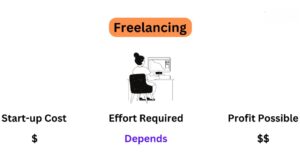
- Start a side business. Freelancing, e-commerce, consulting, or digital products.
- Monetize skills. Teach, coach, or create online courses.
- Invest in real estate. Rental properties or house flipping.
- Create passive income. Royalties, dividends, or affiliate marketing.
- Acquire new skills. The more valuable your expertise, the more you can earn.
Every additional income stream strengthens your financial security and accelerates your wealth goals.
11. Protect Your Wealth
As your wealth grows, protecting it becomes just as important as building it.
Essential Protection Measures
- Insurance: Get adequate health, life, disability, and property insurance.
- Diversification: Never put all your money in one asset or industry.
- Emergency Fund: Maintain it even as you grow wealth.
- Estate Planning: Write a will, assign beneficiaries, and consider trusts to protect your legacy.
Wealth protection ensures that one setback doesn’t undo years of progress.
12. Create a Retirement Strategy
A personal wealth plan must account for the years when you no longer want or need to work.
Retirement Planning Tips
- Start saving for retirement early.
- Contribute to tax-advantaged accounts (401k, IRA, or national pension schemes).
- Invest in long-term growth assets like index funds or real estate.
- Estimate your post-retirement expenses and plan accordingly.
- Rebalance your portfolio as you age — shift from growth to stability.
A well-thought-out retirement plan gives peace of mind that your wealth will sustain you comfortably in later years.
13. Build Passive Income Streams
The ultimate goal of wealth creation is financial independence — when your passive income covers all your expenses.
Examples of passive income include:
- Dividend-paying stocks
- Rental properties
- Online courses or eBooks
- Affiliate marketing
- Licensing intellectual property
- Automated businesses
Each stream reduces your dependence on active labor and moves you closer to financial freedom.
14. Review and Adjust Your Wealth Plan Regularly
Your personal wealth plan isn’t a one-time project — it’s a living document that evolves with your life.
Review it at least once a year, or after major life events such as:
- Career changes
- Marriage or divorce
- Having children
- Buying property
- Market or economic shifts
Adjust your goals, investments, and strategies accordingly. Staying flexible ensures your plan remains relevant and effective over time.
15. Build Financial Literacy
The best investment you can ever make is in your financial education. The more you understand about money, the better your decisions become.
Ways to Build Financial Literacy
- Read books like Rich Dad Poor Dad or The Millionaire Next Door.
- Follow reputable financial blogs and podcasts.
- Take online courses on personal finance and investing.
- Learn basic accounting and tax principles.
Knowledge compounds like interest — the more you learn, the faster your wealth grows.
16. Avoid Common Wealth-Building Mistakes
Even a great plan can fail if you fall into common traps. Avoid these at all costs:
- Overspending as income grows (lifestyle inflation)
- Ignoring emergency savings
- Taking unnecessary investment risks
- Neglecting insurance
- Chasing “get-rich-quick” schemes
- Failing to track progress
Discipline and patience often determine long-term success more than high income or luck.
17. Seek Professional Guidance When Needed
As your finances grow more complex, consider seeking help from professionals:
- Financial planners to design or optimize your personal wealth plan.
- Investment advisors for portfolio management.
- Tax experts to maximize deductions and minimize liabilities.
- Estate lawyers to manage inheritance and legal matters.
Getting expert advice early can save you from costly mistakes and help you grow your wealth strategically.
18. Cultivate a Wealth-Building Mindset
Wealth isn’t only built with money — it’s built with habits and discipline.
Cultivate daily habits such as:
- Tracking expenses and investments
- Reading about finance regularly
- Setting monthly financial goals
- Avoiding impulsive spending
- Practicing gratitude for what you already have
Remember: wealth isn’t just about numbers. It’s about control, freedom, and peace of mind.
19. Build a Legacy
True wealth extends beyond personal gain — it’s about the legacy you leave behind.
Once your plan is in motion, consider:
- Setting up family trusts or scholarships.
- Teaching financial literacy to your children.
- Supporting causes you care about.
A personal wealth plan should not only secure your future but also empower future generations.
20. Final Thoughts: Start Now, Stay Consistent
Creating a personal wealth plan is the first step toward financial independence. You don’t need to be wealthy to start — you need to start to become wealthy.
Remember these core principles:
- Know where you stand.
- Set clear goals.
- Spend intentionally.
- Save consistently.
- Invest wisely.
- Protect your assets.
- Keep learning and adjusting.
Wealth building is a marathon, not a sprint. Each small step you take compounds into powerful results over time. The earlier you begin, the more time your money has to grow.
So start today — even with a small amount. Your future self will thank you for having the courage, clarity, and commitment to create a personal wealth plan that leads to freedom and abundance.