Financial Literacy: The Foundation of Wealth
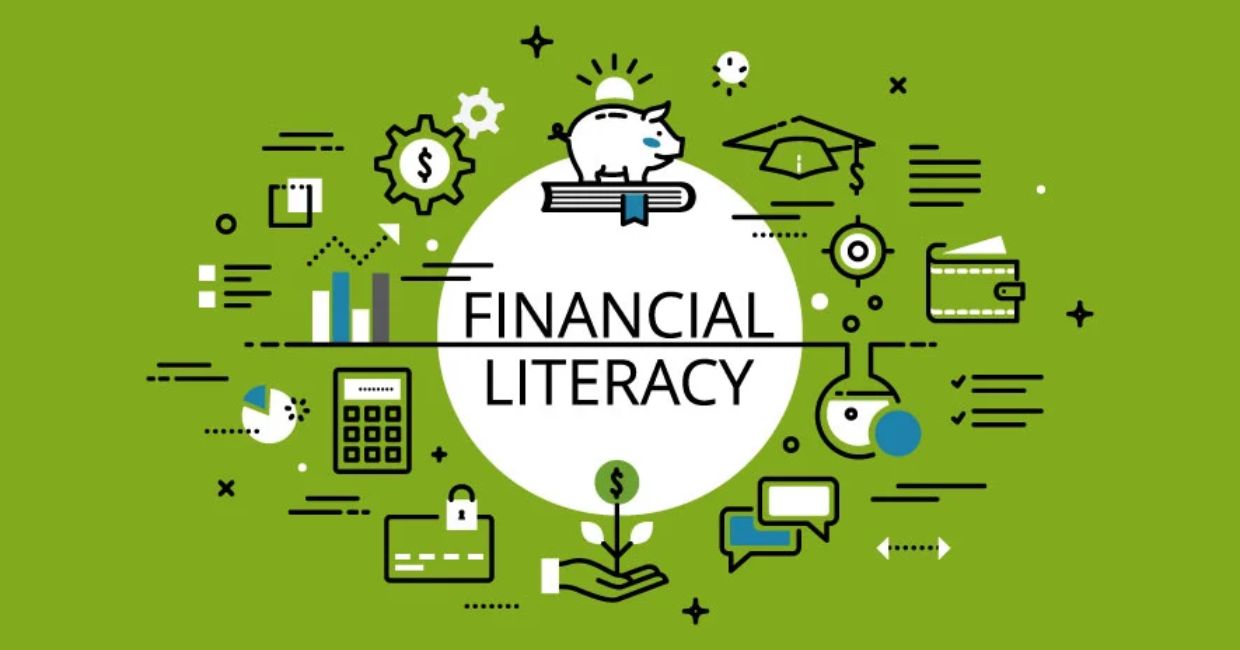
Financial Literacy
When it comes to building wealth, most people immediately think about making money — landing a high-paying job, investing in stocks, or starting a business. But wealth isn’t just about how much money you earn; it’s about how well you manage it. And that’s where financial literacy comes in.
Financial literacy is the true foundation of wealth. It’s the knowledge and understanding of how money works — earning, saving, investing, spending wisely, and protecting your assets. Without it, even the highest income can slip away. With it, anyone — regardless of background — can build lasting financial security and independence.
In this article, we’ll explore why financial literacy is essential, how it shapes wealth, the key skills you need, and practical steps to master it in your everyday life.
Why Financial Discipline Is Key to Wealth
1. What Is Financial Literacy?
Financial literacy is the ability to understand and effectively use various financial skills — from budgeting and saving to investing and debt management. It’s about being able to make informed financial decisions that support your long-term goals.
In simple terms, financial literacy helps you answer life’s most important money questions:
- How should I budget my income?
- What’s the smartest way to pay off debt?
- How can I make my money grow?
- How do I protect my wealth and plan for retirement?
It’s not about being a financial expert. It’s about understanding the basics well enough to make confident, informed choices that move you closer to financial freedom.
2. Why Financial Literacy Is the Foundation of Wealth
Imagine trying to build a house without understanding how to lay the foundation — it wouldn’t last long. The same goes for wealth. Without financial literacy, any success you achieve is fragile.
Financial literacy provides the framework for wealth-building. It helps you:
- Make smarter financial choices.
- Avoid common money traps.
- Maximize your earnings through investing and saving.
- Build resilience against financial crises.
In short, financial literacy turns income into opportunity, and opportunity into long-term wealth.
3. The Hidden Cost of Financial Illiteracy
A lack of financial literacy can be devastating — not just for individuals but for entire societies.
Financially illiterate people are more likely to:
- Fall into debt cycles.
- Live paycheck to paycheck.
- Miss investment opportunities.
- Fail to plan for emergencies or retirement.
According to global studies, many adults don’t understand basic financial concepts like interest rates, inflation, or compounding. This knowledge gap costs people thousands of dollars over their lifetime — in poor investment choices, unnecessary debt, and missed opportunities.
Financial illiteracy doesn’t just limit your bank balance — it limits your potential.
4. The Core Pillars of Financial Literacy
To become financially literate, you must master a few core pillars that form the foundation of wealth. Let’s break them down one by one.
a) Budgeting: Controlling Where Your Money Goes
Budgeting is the first step toward financial literacy. It’s not about restriction — it’s about awareness and control.
A solid budget helps you:
- Track your income and expenses.
- Identify spending leaks.
- Save for short- and long-term goals.
The 50/30/20 rule is a simple method:
- 50% of income for needs,
- 30% for wants,
- 20% for savings and debt repayment.
When you tell your money where to go, you stop wondering where it went.
b) Saving: Building Financial Security
Saving isn’t just about storing money — it’s about building security and opportunity.
Financially literate individuals always pay themselves first. They create an emergency fund to handle unexpected expenses and set aside savings for future goals like buying a home or starting a business.
The key is consistency. Even small amounts saved regularly can grow significantly over time, thanks to the power of compounding.
Remember: saving money is not losing it — it’s gaining peace of mind.
c) Debt Management: Using Credit Wisely
Not all debt is bad. Used wisely, it can help you grow wealth — like borrowing to start a business or buy property. But uncontrolled debt can destroy your financial stability.
Financial literacy teaches you how to:
- Distinguish between good debt (that generates value) and bad debt (that drains your finances).
- Manage credit card usage effectively.
- Understand interest rates and repayment schedules.
The goal isn’t to avoid debt entirely — it’s to use it strategically and never let it control you.
d) Investing: Making Your Money Work for You
Investing is where true wealth begins to grow. Financial literacy helps you understand how to make your money earn more money.
It’s about learning how different investments — stocks, bonds, real estate, mutual funds, and more — work, and how to choose the right mix for your goals and risk tolerance.
Financially literate people know that time and compounding are their best allies. The earlier and more consistently you invest, the more your money multiplies.
e) Risk Management and Insurance
Building wealth without protecting it is like building a castle without walls. Insurance is your defense against financial disaster.
Understanding insurance — from health to life, property, and income protection — ensures that a single unexpected event doesn’t wipe out years of financial progress.
Financial literacy teaches you to view insurance not as an expense, but as a critical part of wealth preservation.
f) Retirement Planning
Financial literacy also means preparing for your future self. Retirement planning ensures you can live comfortably without depending on others.
By understanding pensions, retirement accounts, and long-term investments, you can create a roadmap for lifelong financial independence.
5. How Financial Literacy Builds Wealth Over Time
Wealth isn’t built by luck — it’s built by knowledge applied consistently.
Here’s how financial literacy helps you turn knowledge into wealth:
- You make smarter spending decisions.
You recognize the difference between needs and wants. You stop overspending on short-term pleasures and focus on long-term rewards. - You save and invest strategically.
You understand the power of compounding and put your money to work instead of letting it sit idle. - You protect your assets.
Insurance, diversification, and smart risk management ensure your wealth lasts. - You build multiple income streams.
Financial literacy opens doors to side hustles, passive income, and investments that grow independently. - You achieve financial freedom.
Eventually, your wealth begins to generate enough income to sustain your lifestyle without relying solely on work.
6. The Role of Education in Financial Literacy
Financial literacy should start early — in schools, homes, and communities. Unfortunately, most educational systems still overlook personal finance education.
Learning about money management shouldn’t begin when someone starts earning — it should begin in childhood. Teaching young people about saving, budgeting, and investing sets them up for a lifetime of financial success.
Parents, too, play a vital role. Talking openly about money, teaching kids how to save their allowance, and explaining the value of delayed gratification helps build financially confident adults.
Financial literacy is not just academic — it’s a life skill every person needs.
7. Common Myths That Block Financial Literacy
Many people avoid learning about money because of deeply ingrained myths. Let’s clear a few up:
- Myth 1: “I don’t make enough to save or invest.”
Truth: You don’t need a high income to start — you just need consistency. Even small savings compound over time. - Myth 2: “Financial management is too complicated.”
Truth: The basics — spending less than you earn, saving consistently, investing wisely — are simple and powerful. - Myth 3: “Debt is always bad.”
Truth: Some debt, like education loans or business loans, can be leveraged for long-term growth. - Myth 4: “Investing is gambling.”
Truth: Educated investing is about strategy, not luck. Financial literacy helps you reduce risk and make informed decisions.
Breaking these myths is the first step toward true financial empowerment.
8. How to Improve Your Financial Literacy Today
Becoming financially literate is a lifelong process — but it’s easier than you might think. Here’s how to start building your foundation today:
1. Read Books and Articles
Some classic personal finance books like Rich Dad Poor Dad by Robert Kiyosaki, The Millionaire Next Door by Thomas Stanley, and The Intelligent Investor by Benjamin Graham offer timeless lessons.
2. Follow Reputable Financial Educators
Podcasts, YouTube channels, and blogs can help you stay informed. Just make sure you’re learning from credible sources.
3. Take an Online Course
Many free or affordable online courses teach budgeting, investing, and money management. Knowledge compounds just like money.
4. Track Your Finances
Use budgeting apps like Mint or YNAB to monitor your spending and saving. Awareness is the first step to improvement.
5. Start Small
Apply what you learn. Even small changes — like saving 10% of your income or paying off high-interest debt — create big results over time.
9. The Connection Between Financial Literacy and Financial Freedom
Financial freedom isn’t just about having money — it’s about having control.
When you’re financially literate, you make decisions from a position of strength, not fear. You’re not trapped in debt or dependent on others. You have options. You have freedom.
True wealth isn’t the size of your bank account — it’s the peace of mind that comes from knowing you can handle any financial challenge that comes your way.
Financial literacy gives you that power. It turns money from a source of stress into a tool for opportunity.
10. How Financial Literacy Impacts Generational Wealth
Financial literacy doesn’t just change your life — it changes your family’s future.
When you understand money, you make choices that benefit generations:
- You teach your children how to handle finances.
- You avoid debt traps that could burden your family.
- You build assets — homes, businesses, investments — that can be passed down.
Generational wealth isn’t built on inheritance alone — it’s built on financial education passed down through time. By becoming financially literate, you don’t just build wealth; you build a legacy.
11. The Role of Technology in Financial Education
In today’s digital world, financial literacy is easier to achieve than ever.
Technology has democratized wealth education through:
- Investment apps like Robinhood, Acorns, or eToro.
- Budgeting tools that make financial tracking simple.
- Online resources that explain complex topics in clear, relatable terms.
But while technology makes access easier, understanding still matters. Financial literacy ensures you use these tools wisely, not recklessly.
12. From Literacy to Mastery: Turning Knowledge into Action
Knowledge alone doesn’t build wealth — action does.
You can read every finance book in the world, but if you don’t apply what you learn — saving, investing, tracking your spending — you won’t see results.
Start where you are, with what you have. Take one small step each day — automate your savings, open an investment account, pay off a credit card. Every action compounds, just like your money.
Financial literacy is a journey, not a destination. The more you practice, the stronger your foundation becomes.
13. Final Thoughts: Financial Literacy Is True Power
At the heart of every financial success story lies one common skill: financial literacy. It’s not luck, inheritance, or genius — it’s understanding how money works and using that knowledge wisely.
The good news? Anyone can learn it. Whether you’re earning a little or a lot, financial literacy gives you control over your future.
When you’re financially literate, you stop working for money — and start making money work for you. You gain confidence, security, and freedom.
Because at the end of the day, financial literacy isn’t just the foundation of wealth — it’s the foundation of a life built on stability, independence, and opportunity.