10 Simple Budgeting Rules That Actually Work
Budgeting Rules
Managing your money can often feel like a juggling act — between bills, savings, and unexpected expenses, it’s easy to lose track of where your money goes. But budgeting doesn’t have to be complicated or restrictive. In fact, some of the simplest budgeting rules are the ones that truly work.
If you’re ready to take control of your finances, save more, and spend smarter, these 10 simple budgeting rules will help you build a strong financial foundation — without feeling deprived or overwhelmed.
7 Common Budgeting Mistakes and How to Avoid Them
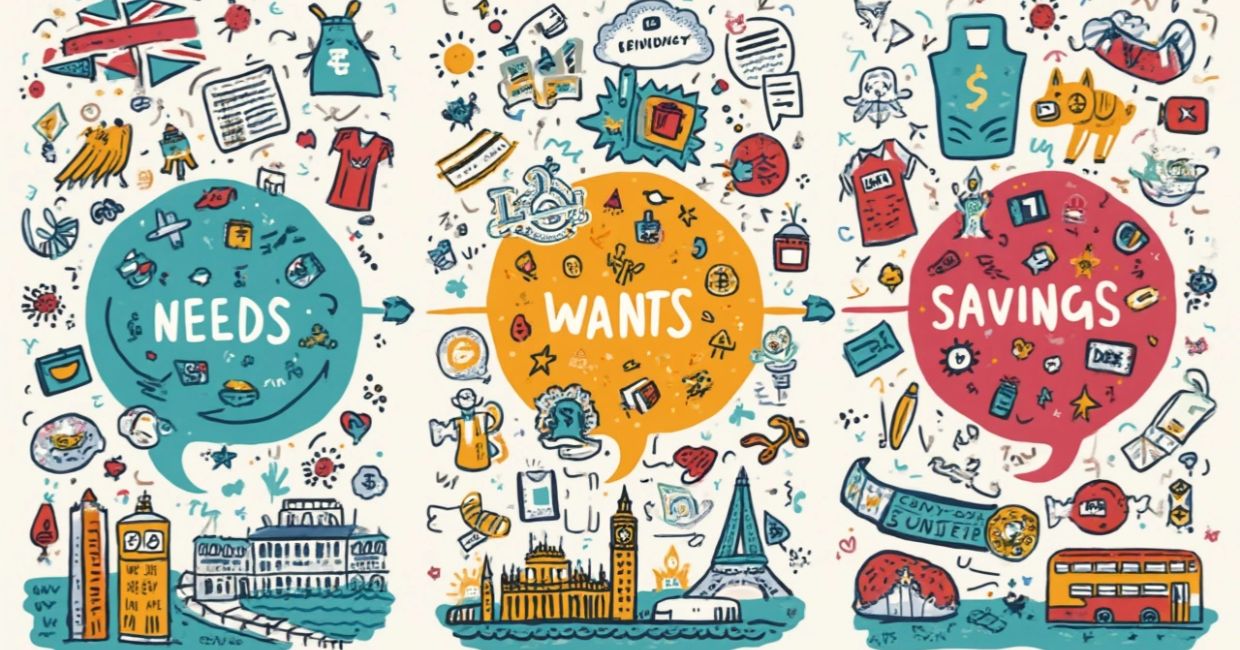
1. The 50/30/20 Rule: The Classic Balance
One of the most well-known budgeting frameworks is the 50/30/20 rule. It’s simple yet powerful because it gives you structure while keeping flexibility.
- 50% of your income goes to needs — essentials like rent, groceries, utilities, transportation, and insurance.
- 30% goes to wants — dining out, entertainment, hobbies, and personal spending.
- 20% goes to savings or debt repayment — your future self will thank you.
Why it works: This rule keeps your lifestyle in check while ensuring your savings grow over time. If you find yourself struggling with overspending, the 50/30/20 method offers clear boundaries without the pressure of extreme frugality.
2. Pay Yourself First: Prioritize Your Savings
The “pay yourself first” mindset flips traditional budgeting on its head. Instead of saving what’s left after spending, you save before you spend.
As soon as your paycheck arrives, transfer a set percentage to your savings or investment account automatically. This could be your emergency fund, retirement savings, or investment account.
Why it works: By making savings automatic, you remove the temptation to spend that money elsewhere. It ensures you build wealth steadily over time — even if you only start with a small percentage.
Pro Tip: Start with 10% of your income and gradually increase it as you become more comfortable.
3. Track Every Expense — No Matter How Small
You can’t manage what you don’t measure. Tracking your expenses helps you understand your true spending habits. Whether you use a budgeting app, spreadsheet, or even pen and paper, the key is consistency.
When you track every transaction, you’ll quickly notice where your money leaks — like those daily coffee runs or forgotten subscriptions.
Why it works: Awareness is the first step to control. Once you know where your money goes, you can adjust habits that don’t align with your financial goals.
Tip: Review your expenses weekly instead of monthly — small course corrections are easier than big fixes.
4. Set Realistic Financial Goals
Budgeting is more than just numbers — it’s about aligning your spending with your life goals. Ask yourself: What am I budgeting for?
Do you want to build an emergency fund? Save for a vacation? Pay off credit card debt? Buy a home? Setting clear goals gives your budget a purpose.
Why it works: Without goals, budgeting feels restrictive. With goals, every saving or spending choice feels meaningful. When you can visualize the “why,” you’ll stay motivated to stick with your budget.
Pro Tip: Use SMART goals — Specific, Measurable, Achievable, Relevant, and Time-bound — to make progress you can actually track.
5. Build an Emergency Fund First
Unexpected expenses happen — car repairs, medical bills, or job loss. An emergency fund protects you from relying on credit cards or loans when life throws surprises your way.
Start by saving at least $1,000 as a starter emergency fund, then work your way up to three to six months’ worth of living expenses.
Why it works: An emergency fund provides peace of mind and prevents financial setbacks from derailing your progress. It’s your safety net for life’s “what ifs.”
Tip: Keep your emergency fund in a separate high-yield savings account so it’s accessible but not tempting to spend.
6. Cut Unnecessary Expenses (Without Feeling Deprived)
Budgeting isn’t about cutting out everything you love — it’s about making conscious choices. Review your spending and identify areas where you can trim without affecting your happiness.
For example:
- Cancel unused subscriptions.
- Cook at home more often.
- Switch to generic brands.
- Review your insurance or utility plans for better deals.
Why it works: Small changes can add up to big savings over time. Cutting $50 here and there may not seem like much, but over a year, it can free up hundreds (or thousands) for savings or debt repayment.
Pro Tip: Use the “value rule” — only spend on things that truly bring value to your life.
7. Use Cash or a Debit Card for Discretionary Spending
One of the biggest pitfalls of budgeting is overspending on non-essentials. Using cash or a debit card can help you stay disciplined.
When you use physical cash or direct-debit payments, you feel the impact of each purchase — unlike credit cards, which can create a false sense of affordability.
Why it works: Studies show that people spend less when using cash. It creates a psychological barrier to impulse spending and keeps your budget intact.
Tip: Try the “envelope system” — assign cash envelopes to different categories like groceries, dining, and entertainment. When the envelope is empty, you stop spending.
8. Review and Adjust Your Budget Regularly
Your budget isn’t a one-time plan — it’s a living document that should evolve as your life changes. Review your budget monthly or quarterly to see what’s working and what’s not.
Maybe your income has changed, or you’ve reached one financial goal and want to focus on another. Adjust accordingly.
Why it works: Flexibility keeps your budget realistic and sustainable. Life changes, and your money plan should change with it.
Pro Tip: Use a monthly “money check-in” day to review your progress, update categories, and celebrate wins.
9. Eliminate or Reduce High-Interest Debt
Debt can drain your financial progress faster than anything else. Prioritizing debt repayment — especially high-interest credit card balances — is one of the smartest budgeting moves you can make.
Try one of these strategies:
- The Debt Snowball: Pay off your smallest debt first for quick wins.
- The Debt Avalanche: Pay off the highest-interest debt first to save the most money.
Why it works: Every dollar you save on interest is a dollar that can go toward your future goals. Reducing debt also frees up monthly cash flow, giving you more breathing room.
Tip: Once you pay off a debt, redirect that payment amount into savings or investments to keep your momentum going.
10. Reward Yourself Along the Way
Budgeting shouldn’t feel like punishment. If you never allow yourself to enjoy your money, you’ll eventually burn out and abandon your plan.
Set small rewards for achieving milestones — like saving your first $1,000, paying off a debt, or sticking to your budget for three months.
Why it works: Rewarding yourself builds positive reinforcement. You’re more likely to stay consistent when you associate budgeting with satisfaction instead of restriction.
Pro Tip: Make rewards experience-based (like a nice dinner or a short trip) rather than material — it’s more fulfilling and less likely to lead to impulse spending.
Bonus: Automate Everything You Can
Automation is the secret weapon of successful budgeters. Set up automatic transfers for savings, bill payments, and investments.
Why it works: It removes human error and procrastination from the equation. When you automate, you stick to your plan effortlessly — no discipline required.
Tip: Use your bank’s auto-transfer feature to move funds on payday before you can spend them.
The Psychology Behind Successful Budgeting
Budgeting isn’t just about math — it’s about mindset. Understanding your spending behavior is key to creating a budget that works long-term.
Here are a few psychological truths to keep in mind:
- Habits matter more than numbers. Budgeting success comes from consistency, not perfection.
- Small wins compound. Even small savings and cuts create momentum.
- Focus on progress, not restriction. Budgeting should empower you, not stress you out.
When you approach budgeting as a way to support your goals and values — rather than as a punishment — it becomes a natural part of your life.
Putting It All Together: Build a Budget That Works for You
Here’s a simple roadmap to apply these 10 budgeting rules:
- Start with awareness. Track your income and expenses for one month.
- Set goals. Define what you want to achieve financially.
- Apply a structure. Use the 50/30/20 rule as a foundation.
- Automate and simplify. Pay yourself first and automate payments.
- Adjust and improve. Review monthly and celebrate progress.
Remember — the best budget isn’t the most complicated one. It’s the one you can actually stick to.
Final Thoughts
Budgeting doesn’t mean sacrificing everything you enjoy — it’s about making your money work for you. By following these 10 simple budgeting rules, you’ll create a plan that’s realistic, flexible, and truly effective.
When you take control of your money, you take control of your future. Start small, stay consistent, and watch your financial confidence grow.
No matter your income level or goals, these principles will help you save more, stress less, and live a financially balanced life.