What Is a Good Credit Score in 2025?
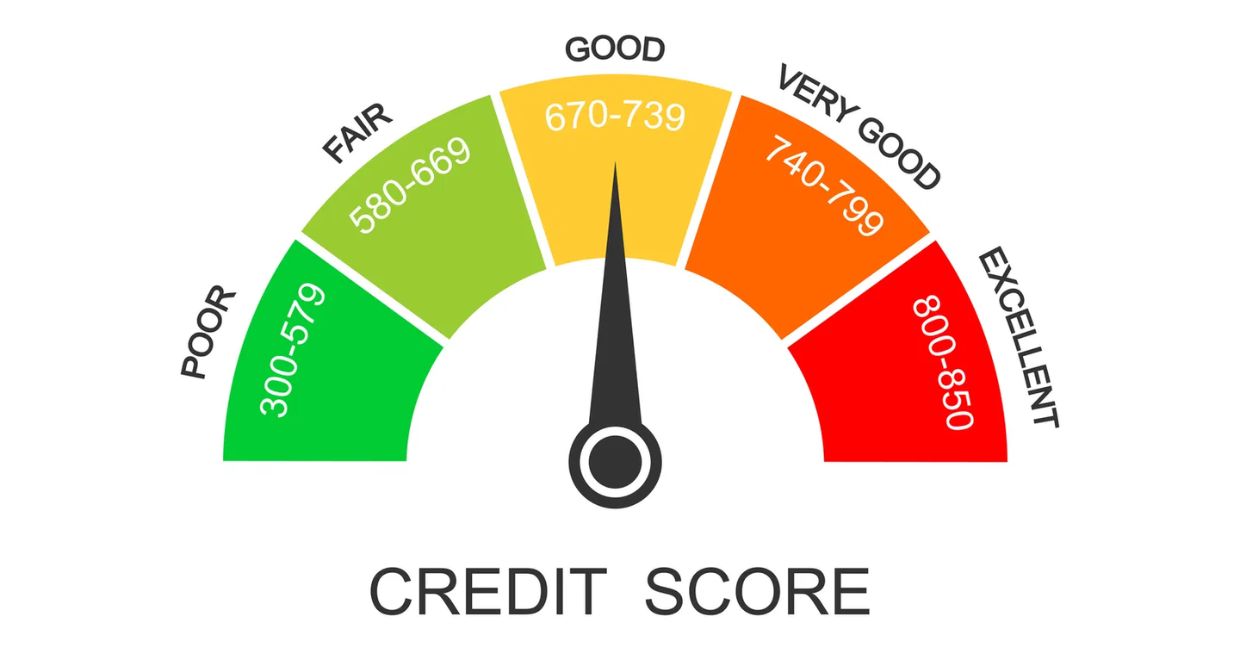
Credit Score
In today’s fast-paced financial world, your credit score plays a crucial role in determining your financial opportunities. Whether you’re applying for a mortgage, car loan, or even a new credit card, lenders rely heavily on this three-digit number to assess your creditworthiness. But as financial systems evolve and lending criteria adjust to the post-pandemic economy, one common question arises: What is considered a good credit score in 2025?
Let’s break it down in simple terms and explore everything you need to know — from the basics of credit scores to how to build and maintain a strong one in 2025.
The Truth About Debt Consolidation Loans
Understanding the Credit Score System
Before diving into the specifics of 2025, it’s important to understand what a credit score actually represents. A credit score is a numerical expression that evaluates your ability to repay borrowed money. It is calculated using information from your credit reports, such as your payment history, credit utilization, and the length of your credit accounts.
The Main Credit Scoring Models
There are two major credit scoring systems used by lenders worldwide:
- FICO Score: Developed by the Fair Isaac Corporation, this is the most widely used model in the U.S.
- VantageScore: Created by the three major credit bureaus (Experian, Equifax, and TransUnion), this model is gaining popularity for its modern scoring approach.
Both models range from 300 to 850, with higher scores indicating better creditworthiness. Though the models differ slightly in their calculation formulas, the general interpretation remains similar.
Credit Score Ranges in 2025
In 2025, the credit score ranges remain largely consistent with previous years, though lenders are becoming more sophisticated in how they interpret them. Here’s a quick breakdown:
| Credit Score Range | Rating | Meaning |
|---|---|---|
| 800–850 | Exceptional | Excellent credit history and very low lending risk |
| 740–799 | Very Good | Above-average borrower, likely to get favorable rates |
| 670–739 | Good | Average credit score, acceptable to most lenders |
| 580–669 | Fair | Subprime borrower, higher interest rates apply |
| 300–579 | Poor | High lending risk, limited loan opportunities |
So, a good credit score in 2025 typically falls between 670 and 739, while anything above 740 is considered very good or excellent.
Why a Good Credit Score Matters More Than Ever in 2025
In 2025, the importance of a good credit score has grown significantly. Economic conditions, inflation, and digital lending trends have made lenders more cautious. Here’s why maintaining a strong score is essential this year:
1. Higher Interest Rates and Tightened Lending
As interest rates fluctuate and inflation remains a concern, lenders are tightening their approval standards. A high credit score helps you qualify for the lowest possible interest rates, saving you thousands over the life of a loan.
2. Increased Reliance on Digital Credit Evaluations
Digital banks and fintech companies now rely heavily on automated credit assessments. A good score boosts your chances of instant approvals on online loans, buy-now-pay-later services, and digital credit lines.
3. Employment and Housing Opportunities
In 2025, more employers and landlords are performing credit checks before hiring or leasing property. A strong credit score demonstrates financial responsibility, helping you stand out as a reliable candidate or tenant.
4. Better Insurance Premiums
Many insurance companies use credit-based insurance scores to determine premiums. A higher score often means lower car, home, or life insurance rates.
How Credit Scores Are Calculated in 2025
Although technology has evolved, the core factors that determine your credit score have remained consistent. However, credit scoring models in 2025 place a stronger emphasis on financial consistency and responsible digital borrowing.
1. Payment History (35%)
Your payment history continues to be the most influential factor. Late payments, defaults, or missed installments can quickly drag down your score.
Tip: Set up automatic payments or reminders to avoid missing due dates.
2. Credit Utilization Ratio (30%)
This measures how much of your available credit you’re using. In 2025, lenders favor borrowers who keep their utilization below 30% — ideally under 10% for the best results.
Example: If your total credit limit is $10,000, try not to use more than $3,000 at any given time.
3. Length of Credit History (15%)
The longer you’ve managed credit responsibly, the better. Closing old accounts can hurt this factor, so keep long-standing accounts open, even if unused.
4. New Credit Inquiries (10%)
Every time you apply for new credit, a “hard inquiry” appears on your report. Too many inquiries within a short period can lower your score temporarily.
5. Credit Mix (10%)
Having a variety of credit types — such as a credit card, mortgage, and car loan — demonstrates your ability to manage different financial obligations effectively.
Emerging Trends Influencing Credit Scores in 2025
Credit scoring is evolving with technology, and 2025 has brought new trends that could impact your score positively or negatively.
1. Alternative Data Inclusion
Credit bureaus now consider non-traditional data such as rent payments, utility bills, and subscription services. This helps individuals with limited credit history build their score faster.
2. Artificial Intelligence in Credit Decisions
AI-driven analytics are enhancing the accuracy of credit evaluations. Instead of relying solely on traditional credit data, lenders analyze spending patterns and financial behaviors for a more holistic assessment.
3. Real-Time Credit Monitoring
With advancements in fintech, borrowers can now monitor their credit scores in real-time through apps. These tools provide instant alerts for score changes, enabling proactive management.
4. Buy Now, Pay Later (BNPL) Reporting
In 2025, BNPL services like Klarna and Afterpay report repayment data to credit bureaus. While timely payments can boost your score, missed payments can harm it.
What Is a Good Credit Score for Major Financial Goals in 2025?
Let’s break down what score you need for different financial milestones:
1. Buying a Home
- Conventional Loan: 740+ preferred for the best mortgage rates.
- FHA Loan: Minimum score of 580 (with 3.5% down payment).
- VA Loan: 620+ typically required.
Tip: A score above 760 can qualify you for the lowest mortgage rates in 2025.
2. Getting a Car Loan
- Prime rates: 700+
- Subprime borrowers: 600–699
Lenders are more willing to finance car loans in 2025, but rates remain high for scores below 660.
3. Applying for a Credit Card
Premium credit cards with high rewards and travel perks generally require a score of 740 or higher. However, many issuers now offer secured or beginner cards for those rebuilding their credit.
4. Personal Loans
For unsecured personal loans, a score above 700 helps secure favorable interest rates and flexible repayment options.
How to Build and Maintain a Good Credit Score in 2025
If your credit score isn’t where you want it to be, don’t worry. With smart financial habits, you can improve your score within months. Here’s how:
1. Always Pay on Time
Payment history makes up 35% of your score. Even one late payment can drop your score by 50–100 points. Use autopay or calendar reminders to stay on track.
2. Lower Your Credit Utilization
Keep balances low on credit cards and avoid maxing them out. Paying off your balance in full each month shows lenders that you’re financially disciplined.
3. Avoid Unnecessary Credit Applications
Each new credit application triggers a hard inquiry. Apply only when necessary to prevent short-term dips in your score.
4. Check Your Credit Reports Regularly
Errors on your credit report can unfairly hurt your score. In 2025, you can access free weekly reports at AnnualCreditReport.com. Dispute any inaccuracies promptly.
5. Maintain a Mix of Credit
Lenders like to see that you can handle multiple types of credit responsibly — for example, a combination of installment loans (like a car loan) and revolving credit (like a credit card).
6. Keep Old Accounts Open
Even if you don’t use an older credit card, keeping it open maintains your credit age, which positively influences your score.
7. Use Credit Builder Tools
Many fintech apps in 2025 offer credit-builder loans or secured cards that report positive activity to all three bureaus. These are excellent tools for beginners or those rebuilding credit.
Common Myths About Credit Scores in 2025
Despite increased financial awareness, credit myths still mislead many consumers. Let’s bust a few of them:
Myth 1: Checking Your Own Credit Hurts Your Score
Fact: Soft inquiries (when you check your own score) have no impact at all. Only lender “hard pulls” affect your score.
Myth 2: Carrying a Balance Improves Your Score
Fact: Paying off your balance in full each month is better. Carrying debt only increases your utilization ratio and interest payments.
Myth 3: Closing Unused Cards Helps
Fact: Closing old accounts can shorten your credit history and lower your available credit limit, both of which can hurt your score.
Myth 4: You Need Debt to Have a Good Score
Fact: You just need to show responsible credit use. You can maintain a strong score with low balances and on-time payments.
How Long Does It Take to Improve a Credit Score in 2025?
Improving your credit score isn’t an overnight process, but with consistent habits, you can see progress in as little as three to six months. The timeline depends on your starting point:
- Minor issues (late payments, high utilization): 3–6 months
- Moderate issues (collections, charge-offs): 6–12 months
- Severe issues (bankruptcy, repossession): 12–24 months or more
Patience, consistency, and responsible behavior are key. Every positive action you take compounds over time.
The Future of Credit Scoring Beyond 2025
As financial technology advances, credit scoring will continue to evolve. We can expect:
- More Personalized Credit Models: AI will create customized risk assessments based on real-time financial behavior.
- Increased Transparency: Consumers will gain more insight into how their actions affect their scores.
- Global Credit Portability: For international professionals, cross-border credit reporting will make borrowing easier when relocating.
- Integration of Crypto and Digital Assets: Some fintech companies are exploring how blockchain transactions and digital assets might impact creditworthiness in the near future.
Final Thoughts: Aim for Progress, Not Perfection
In 2025, a good credit score typically starts at 670, but aiming for 740 or higher gives you access to the best financial products, lowest interest rates, and strongest credibility. However, it’s not just about the number — it’s about the financial habits behind it.
Building and maintaining a good credit score is a long-term commitment that pays off in every aspect of your financial life. Whether you’re saving for your dream home, buying your first car, or starting a business, your credit score is the foundation of financial opportunity.
So, track your credit regularly, practice responsible borrowing, and stay informed about changing credit trends. With discipline and awareness, you can confidently navigate the financial world of 2025 and beyond.