Investment Strategies for Beginners: Where to Start
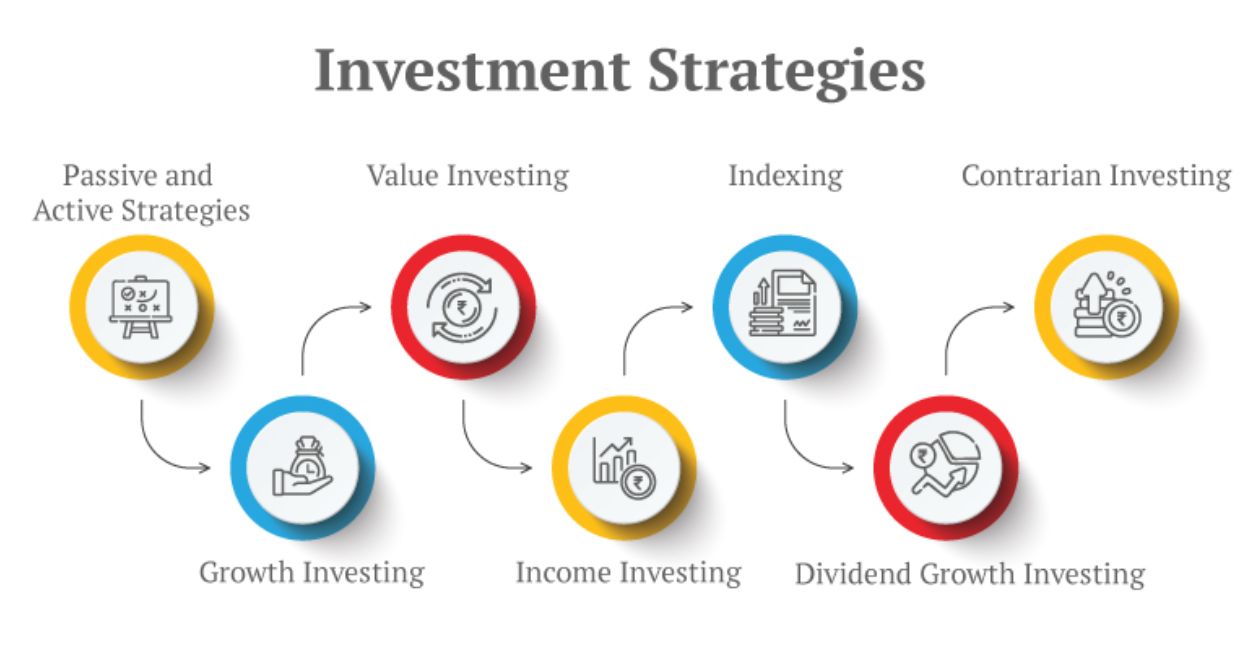
Investment Strategies
Investment Strategies
Investing is one of the most powerful ways to build wealth, achieve financial freedom, and secure your future. Yet for many beginners, the world of investing can feel overwhelming — full of jargon, risks, and countless choices.
The good news is that you don’t need a finance degree or a huge bank account to start investing. With the right strategies, mindset, and tools, anyone can become a successful investor.
In this guide, we’ll walk you through the best investment strategies for beginners, breaking everything down in simple, actionable steps so you can confidently take charge of your financial future.
How to Master Your Money Mindset
1. Understand Why Investing Matters
Before diving into where to invest, it’s essential to understand why investing is so important.
Simply saving money isn’t enough to build long-term wealth. Inflation — the gradual rise in prices — decreases the value of your money over time. That means the cash sitting in your savings account today will buy you less in 10 years.
Investing, on the other hand, allows your money to grow. By putting your money into assets that can increase in value — like stocks, bonds, or real estate — you create the opportunity to earn returns that outpace inflation.
In short: saving protects your money, but investing multiplies it.
2. Set Clear Financial Goals
Every smart investment strategy begins with clear goals. Before you invest a single dollar, ask yourself:
- What am I investing for? (Retirement, home ownership, financial independence?)
- How long do I plan to invest?
- How much risk am I comfortable taking?
Your answers will shape your investment choices.
For example:
- If you’re saving for retirement in 30 years, you can afford higher-risk, higher-reward investments like stocks.
- If you need the money in five years for a home, you’ll want safer options like bonds or high-yield savings accounts.
Write your goals down. When you have clarity, you’ll be less likely to panic during market ups and downs.
3. Build a Strong Financial Foundation
Before you invest, make sure your financial base is solid. This means:
- Paying off high-interest debt (like credit cards).
- Building an emergency fund with 3–6 months of expenses.
- Having a steady income and clear budget.
Investing without an emergency fund can backfire. If an unexpected expense comes up, you might be forced to sell your investments at a loss. Secure your foundation first — it’s your safety net.
4. Learn the Basics of Investing
Investing might seem complicated, but at its core, it’s simple. Here are the key concepts every beginner should understand:
a. Risk and Return
The higher the potential return, the higher the risk. Stocks, for example, can grow fast but also drop in value. Bonds are safer but offer smaller returns.
b. Diversification
Don’t put all your money in one place. By spreading your investments across different asset types (stocks, bonds, real estate, etc.), you reduce the risk of losing it all if one investment fails.
c. Compound Interest
This is the magic of investing. When your investment earns returns, and those returns start earning their own returns, your money grows exponentially over time. The earlier you start, the greater the compounding effect.
d. Time in the Market Beats Timing the Market
It’s nearly impossible to predict when markets will rise or fall. The key is to invest consistently over time rather than trying to “buy low and sell high.”
5. Choose the Right Investment Account
To start investing, you’ll need an account that allows you to buy and hold investments. Here are your main options:
a. Brokerage Account
A regular investment account that lets you buy and sell stocks, ETFs, bonds, and more. It’s flexible but doesn’t have tax advantages.
b. Retirement Accounts (401(k), IRA)
If you’re investing for retirement, use accounts like a 401(k) (through your employer) or an IRA (Individual Retirement Account). They offer tax benefits that can boost your long-term returns.
c. Robo-Advisors
If you’re not sure where to start, consider a robo-advisor like Betterment, Wealthfront, or SoFi Invest. These platforms automatically create and manage a diversified investment portfolio for you, based on your goals and risk tolerance.
For beginners, starting with a robo-advisor is often the easiest and safest way to get comfortable with investing.
6. Start Small and Be Consistent
You don’t need thousands of dollars to begin. Many investment apps now allow you to start with as little as $10 or $50.
The key is consistency — not the amount.
Set up automatic investments every month, even if it’s a small amount. Over time, your portfolio will grow thanks to dollar-cost averaging — a strategy where you invest regularly regardless of market conditions.
This approach smooths out the impact of short-term volatility and builds wealth steadily.
7. Explore Different Investment Options
Let’s break down the most common types of investments and how they fit into a beginner’s strategy:
a. Stocks
Stocks represent ownership in a company. When you buy shares, you own a small piece of that business. Stocks offer high growth potential but can be volatile in the short term.
Beginners can invest in individual stocks or, better yet, index funds and ETFs (Exchange-Traded Funds), which track groups of companies and offer built-in diversification.
b. Bonds
Bonds are loans you make to governments or corporations in exchange for interest payments. They’re less risky than stocks but also offer lower returns.
c. Mutual Funds
Mutual funds pool money from many investors to buy a diversified portfolio of stocks and bonds. They’re managed by professionals and great for hands-off investing.
d. ETFs
ETFs are similar to mutual funds but trade on stock exchanges like individual stocks. They’re usually cheaper and more tax-efficient.
e. Real Estate
Investing in property can generate rental income and long-term value growth. If buying property isn’t feasible, you can invest in REITs (Real Estate Investment Trusts) — companies that own or finance income-producing properties.
f. Cryptocurrencies
Digital currencies like Bitcoin or Ethereum can offer high rewards but come with extreme volatility. If you’re a beginner, it’s best to keep crypto as a very small part of your portfolio — no more than 5%.
g. Index Funds
Index funds are one of the most recommended investments for beginners. They track major stock market indexes (like the S&P 500) and provide instant diversification with low fees.
As Warren Buffett famously said, “A low-cost index fund is the most sensible investment for the vast majority of investors.”
8. Determine Your Risk Tolerance
Your risk tolerance is your comfort level with losing money in the short term for potential long-term gain.
You can assess it by asking yourself questions like:
- How would I feel if my investment dropped 20% in value?
- Do I prefer slow and steady growth or taking risks for higher returns?
Younger investors typically have higher risk tolerance because they have more time to recover from market dips. Older investors may prefer safer, more stable investments.
Once you know your tolerance, you can choose an asset allocation (the mix of stocks, bonds, etc.) that suits you.
9. Diversify Your Portfolio
Diversification is one of the golden rules of investing. It’s how you reduce risk while maintaining potential for growth.
Instead of putting all your money into one company or one type of asset, spread it out. For example:
- 60% in stocks (US and international)
- 30% in bonds
- 10% in real estate or other assets
This way, if one investment performs poorly, others can balance it out.
Remember: diversification protects you from big losses while keeping your portfolio growing steadily.
10. Think Long-Term
The stock market moves up and down, but history shows that over decades, it consistently trends upward.
A successful investor doesn’t panic during market dips — instead, they view downturns as opportunities to buy at lower prices.
The longer you stay invested, the more time your money has to grow and recover. Patience is your greatest asset.
11. Reinvest Your Earnings
When you earn dividends or interest from your investments, don’t cash them out — reinvest them.
Reinvesting compounds your returns, helping your portfolio grow faster. Most investment platforms allow you to set up automatic dividend reinvestment, so your money keeps working for you without any extra effort.
12. Keep Costs Low
Fees can quietly eat into your returns over time. Even a 1% annual management fee can reduce your wealth significantly over 20 or 30 years.
Look for low-cost index funds or ETFs with expense ratios below 0.20%.
Avoid unnecessary trading or using expensive actively managed funds unless you truly understand their value.
13. Stay Educated and Keep Learning
The more you learn, the better your decisions will be. Follow credible financial blogs, read books like The Intelligent Investor by Benjamin Graham or Rich Dad Poor Dad by Robert Kiyosaki, and listen to podcasts that explain investing in simple terms.
Knowledge gives you confidence, and confidence keeps you consistent — even during tough market times.
14. Avoid Emotional Decisions
Fear and greed are an investor’s worst enemies. It’s tempting to sell when markets crash or buy aggressively when everyone’s hyped about a stock.
But emotional investing often leads to losses. Stick to your plan and remember that volatility is normal. The best investors stay calm and think long-term.
15. Review and Rebalance Your Portfolio
Over time, your investments may drift from your target allocation due to market changes. For example, if stocks perform well, they might grow to 70% of your portfolio when your goal was 60%.
Rebalancing means adjusting your portfolio to bring it back in line — usually once a year. This ensures you maintain the right balance of risk and reward.
16. Beware of Common Beginner Mistakes
Many new investors make errors that can cost them time and money. Here are some to avoid:
- Investing without goals — Always have a purpose.
- Chasing trends — Avoid “hot tips” or viral stocks.
- Neglecting diversification — Don’t put all your eggs in one basket.
- Panicking during market dips — Stay calm; markets recover.
- Ignoring fees and taxes — They can reduce your returns.
Learning from others’ mistakes helps you stay on the right track.
17. Consider Getting Professional Help
If you’re unsure where to start or feel overwhelmed, a financial advisor can help you create a personalized plan.
Just make sure to choose a fiduciary advisor — someone legally obligated to act in your best interest, not theirs.
Alternatively, start with a robo-advisor that uses algorithms to manage your investments automatically based on your goals.
18. The Power of Starting Early
One of the most powerful truths in investing is that time beats timing. The earlier you start, the greater the compounding effect.
For example, investing $200 a month at a 7% annual return starting at age 25 will grow to over $500,000 by age 60. If you wait until 35 to start, you’ll have just around $240,000 — less than half!
Starting small now is far better than waiting for “the right time.”
19. Mindset Matters
Investing isn’t just about money — it’s about discipline, patience, and mindset.
Successful investors think long-term, stay calm during volatility, and focus on consistent growth.
Remind yourself: Investing is a journey, not a race. You’re building wealth step by step, not overnight.
Conclusion: Your First Step Toward Financial Freedom
Starting your investment journey might feel intimidating, but every successful investor began as a beginner.
By setting clear goals, understanding risk, diversifying your portfolio, and staying consistent, you’ll build the foundation for lifelong wealth.
Remember:
- Start small, but start today.
- Be patient — growth takes time.
- Keep learning, and never stop improving your strategy.
In a few years, you’ll look back and thank yourself for taking that first step.
So, whether you begin with a simple index fund or a robo-advisor, the most important part is to get started. Your future self will be glad you did.