How to Build a Strong Investment Portfolio from Scratch
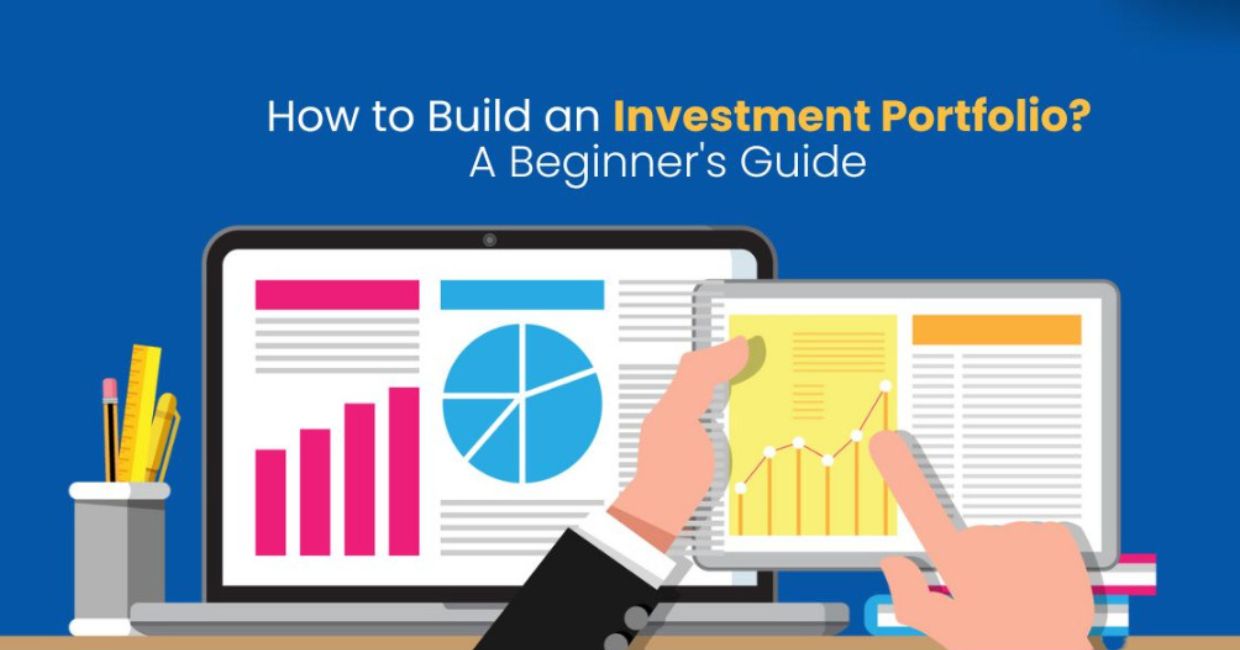
Investment Portfolio
Building wealth doesn’t happen overnight — it’s the result of consistent planning, disciplined investing, and smart decision-making. But if you’re starting with little to no experience, the idea of creating an investment portfolio from scratch might seem intimidating.
The truth is, anyone can build a strong investment portfolio — regardless of income, age, or background. You just need the right strategy, mindset, and knowledge.
In this guide, we’ll break down exactly how to build a strong investment portfolio from scratch — step by step. Whether you’re a complete beginner or someone looking to organize your finances, you’ll learn how to start smart, minimize risks, and maximize long-term growth.
Investment Strategies for Beginners: Where to Start
1. Understand What an Investment Portfolio Is
Before diving in, let’s clarify what an investment portfolio actually is.
An investment portfolio is a collection of financial assets such as stocks, bonds, mutual funds, ETFs, and other investments. The goal of your portfolio is to grow your wealth over time while balancing potential returns with acceptable levels of risk.
Think of it as your personal “money machine.” Each part of your portfolio — whether stocks, bonds, or real estate — plays a specific role in helping you achieve your financial goals.
A strong portfolio isn’t built on luck; it’s built on strategy, diversification, and discipline.
2. Define Your Financial Goals
The first step in building your investment portfolio is understanding why you’re investing.
Ask yourself:
- What am I trying to achieve financially?
- When do I need the money?
- How much risk am I comfortable taking?
Your goals will determine your investment choices.
For example:
- Short-term goals (1–3 years): Saving for a car, vacation, or emergency fund → focus on low-risk investments.
- Medium-term goals (3–10 years): Buying a home, starting a business → choose a balanced portfolio with moderate risk.
- Long-term goals (10+ years): Retirement, wealth building → prioritize growth investments like stocks.
When you know your goals, you can align your investment strategy accordingly — instead of just chasing returns blindly.
3. Assess Your Risk Tolerance
Every investor has a different comfort level with risk. Some people can stomach big market swings; others prefer stability.
Risk tolerance depends on factors like:
- Your age
- Financial situation
- Investment goals
- Emotional response to market fluctuations
Younger investors can afford to take more risks since they have time to recover from market downturns. Older investors, closer to retirement, usually prefer safer investments.
A simple guideline:
- Aggressive portfolio: 80–90% stocks, 10–20% bonds
- Moderate portfolio: 60% stocks, 40% bonds
- Conservative portfolio: 40% stocks, 60% bonds
Understanding your risk tolerance ensures your portfolio matches both your goals and peace of mind.
4. Build a Strong Financial Foundation First
Before investing, make sure your financial base is solid. Without a foundation, even the best investments can collapse under pressure.
Do this first:
- Pay off high-interest debt (like credit cards).
- Build an emergency fund of 3–6 months of living expenses.
- Set up a budget so you can invest consistently without stress.
Once you have financial stability, you can invest confidently — knowing you won’t need to pull out your money unexpectedly.
5. Learn the Basics of Asset Classes
To build a portfolio, you need to understand the main types of investments — also called asset classes.
Here are the key ones:
a. Stocks (Equities)
When you buy a stock, you’re purchasing partial ownership in a company. Stocks offer high growth potential but also come with volatility. Over the long term, they’ve historically delivered the highest returns among major asset classes.
b. Bonds (Fixed Income)
Bonds are loans to governments or corporations that pay interest. They’re considered safer than stocks but provide lower returns. Bonds help stabilize your portfolio during market downturns.
c. Mutual Funds
Mutual funds pool money from many investors to invest in diversified portfolios of stocks and bonds. They’re professionally managed and great for beginners.
d. ETFs (Exchange-Traded Funds)
ETFs work like mutual funds but trade on stock exchanges. They’re cost-effective, tax-efficient, and offer instant diversification.
e. Real Estate
Investing in property or REITs (Real Estate Investment Trusts) can generate passive income and hedge against inflation.
f. Cash and Cash Equivalents
This includes savings accounts, certificates of deposit (CDs), or money market funds. These are low-risk but offer minimal returns — best for liquidity, not growth.
Understanding these categories helps you build a investment portfolio that fits your needs and risk appetite.
6. Decide on an Asset Allocation Strategy
Asset allocation is how you divide your money among different asset classes. It’s the foundation of a strong investment portfolio.
A simple rule of thumb for beginners:
Subtract your age from 100 — that number is the percentage of your portfolio that should be in stocks.
For example:
- If you’re 25 → 75% in stocks, 25% in bonds.
- If you’re 50 → 50% in stocks, 50% in bonds.
Of course, this is just a guideline. You can adjust based on your goals, income, and comfort level.
Example Portfolio for Beginners
| Risk Level | Stocks | Bonds | Cash |
|---|---|---|---|
| Aggressive | 80% | 15% | 5% |
| Moderate | 60% | 30% | 10% |
| Conservative | 40% | 50% | 10% |
The right mix helps balance risk and return while keeping you on track toward your goals.
7. Start Simple with Index Funds and ETFs
If you’re new to investing, one of the smartest ways to begin is with index funds and ETFs.
These funds track major market indexes (like the S&P 500) and provide instant diversification at low cost.
Why they’re great for beginners:
- You don’t need to pick individual stocks.
- Fees are low (often under 0.1%).
- Diversified exposure reduces risk.
- Historically, index funds outperform most actively managed funds over time.
Start by choosing a few ETFs that cover different asset classes — for example:
- US Stock Market ETF (like Vanguard VTI)
- International Stock ETF (like VXUS)
- Bond ETF (like BND)
- REIT ETF for real estate exposure
With just a handful of ETFs, you can build a strong, globally diversified portfolio.
8. Invest Consistently — Even If It’s Small
The most powerful investing principle isn’t timing the market — it’s time in the market.
Start with whatever you can afford, even $50 or $100 a month. What matters most is consistency.
Use a strategy called Dollar-Cost Averaging (DCA):
Invest the same amount regularly (e.g., monthly) regardless of market conditions.
This approach smooths out volatility and takes the emotion out of investing. Over time, you’ll buy more shares when prices are low and fewer when prices are high — automatically balancing your risk.
9. Choose the Right Investment Account
You’ll need a place to hold your investments — and not all accounts are created equal.
a. Tax-Advantaged Accounts
- 401(k): Offered by employers; contributions are tax-deferred.
- IRA (Individual Retirement Account): Great for individuals; can be traditional (tax-deferred) or Roth (tax-free withdrawals).
b. Taxable Brokerage Accounts
Ideal for general investing with no contribution limits. You’ll pay taxes on dividends and capital gains, but you can withdraw anytime.
If you’re just getting started, open a brokerage account with a trusted platform like Vanguard, Fidelity, or Charles Schwab — or use beginner-friendly apps like Robinhood or M1 Finance.
10. Diversify to Reduce Risk
Diversification means spreading your money across different types of investments to minimize risk.
A diversified portfolio ensures that if one asset performs poorly, others can offset the loss.
You can diversify by:
- Asset class: Stocks, bonds, real estate, etc.
- Geography: Invest in both domestic and international markets.
- Industry: Technology, healthcare, energy, finance, etc.
Example: Instead of buying just Apple stock, invest in an S&P 500 ETF, which includes 500 companies across multiple sectors.
Diversification protects your portfolio — it’s the safety net of investing.
11. Reinvest Your Returns
When your investments pay dividends or interest, don’t withdraw them — reinvest them.
Reinvesting compounds your growth over time, turning small gains into substantial wealth.
Most brokers and ETFs offer an automatic dividend reinvestment option, so your money keeps working for you behind the scenes.
12. Keep Fees and Taxes Low
High fees can quietly drain your investment returns. Always watch out for:
- Expense Ratios: Aim for funds under 0.25%.
- Trading Fees: Use commission-free platforms.
- Taxes: Prefer tax-advantaged accounts for long-term investments.
Remember, even a 1% annual fee can eat up tens of thousands of dollars over decades — so minimize costs wherever possible.
13. Rebalance Your Portfolio Regularly
Over time, your investments will grow at different rates, and your original asset allocation will shift.
For example, if stocks perform well, they might make up 80% of your portfolio when your target was 60%.
Rebalancing means adjusting your portfolio back to your intended mix by selling overperforming assets and buying underperforming ones.
Do this once or twice a year. It keeps your investment portfolio balanced and aligned with your goals and risk tolerance.
14. Keep Emotions Out of Investing
The biggest threat to your portfolio isn’t market crashes — it’s emotional decision-making.
When markets drop, panic-selling locks in your losses. When they soar, buying in greed can lead to overpaying.
Successful investors stay disciplined. They trust their long-term plan and avoid reacting impulsively to short-term news or market trends.
Remember this golden rule:
“The market rewards patience, not panic.”
15. Stay Informed, But Don’t Overreact
It’s smart to stay updated on market trends, but avoid information overload. Daily market noise can tempt you to make unnecessary changes.
Instead:
- Review your portfolio quarterly or semi-annually.
- Focus on your long-term goals, not short-term fluctuations.
- Educate yourself through credible financial sources.
Knowledge builds confidence — but discipline builds wealth.
16. Start with a Robo-Advisor if You’re Unsure
If building a portfolio manually feels complicated, you can use a robo-advisor like Betterment, Wealthfront, or SoFi Invest.
These platforms automatically:
- Assess your goals and risk tolerance
- Allocate your assets intelligently
- Rebalance your portfolio regularly
You simply deposit money, and the system does the rest — perfect for beginners who want a hands-off approach.
17. Learn to Be Patient
Building a strong investment portfolio takes time, not talent.
The market may go up and down in the short term, but over decades, it’s consistently rewarded patient investors.
If you invest $300 a month at a 7% annual return, you’ll have nearly $370,000 in 30 years — without ever trying to time the market.
Patience turns small beginnings into lasting wealth.
18. Avoid Common Mistakes Beginners Make
Here are pitfalls to steer clear of:
- Investing without clear goals
- Putting all money in one stock
- Ignoring diversification
- Reacting emotionally to market swings
- Neglecting to rebalance
- Paying high fees for low returns
Avoiding these mistakes can save you years of frustration and help you build wealth faster.
19. Keep Learning and Adapting
Financial literacy is a lifelong journey. Keep educating yourself about new investment opportunities, tax laws, and economic trends.
Read books like The Little Book of Common Sense Investing by John Bogle or The Psychology of Money by Morgan Housel.
The more you understand, the better your decisions — and the stronger your investment portfolio.
20. Final Thoughts: Start Today, Not Someday
Building a strong investment portfolio from scratch isn’t about perfection — it’s about progress.
You don’t need to be rich or an expert. You just need to start, stay consistent, and keep learning.
Remember:
- Start small, but start now.
- Be patient and disciplined.
- Diversify and rebalance regularly.
- Focus on the long term, not daily headlines.
The earlier you start, the more time your money has to grow. Every dollar invested today can become hundreds tomorrow — all thanks to the power of compounding.
Conclusion
Creating a strong investment portfolio from scratch is entirely achievable — even for beginners.
By setting clear goals, understanding risk, diversifying your assets, and investing consistently, you lay the foundation for lifelong financial success.
Don’t wait for the “perfect” time or the “right” market condition. The best time to start building your investment portfolio is today — because every day you wait is a day your money isn’t growing.
Your future wealth begins with one smart decision — and that’s deciding to invest in yourself, your goals, and your future.