Dividend Investing: How to Earn Passive Income from Stocks
Dividend Investing
In today’s fast-paced financial world, building a source of passive income has become a major goal for many investors. Whether you’re planning for retirement, seeking financial freedom, or simply want your money to work harder, dividend investing stands out as one of the most reliable ways to earn consistent income without selling your assets.
This guide will walk you through what dividend investing is, how it works, why it’s effective, and how you can start building your own dividend portfolio — even if you’re a beginner.
Alternative Investments That Can Grow Your Portfolio
What Is Dividend Investing?
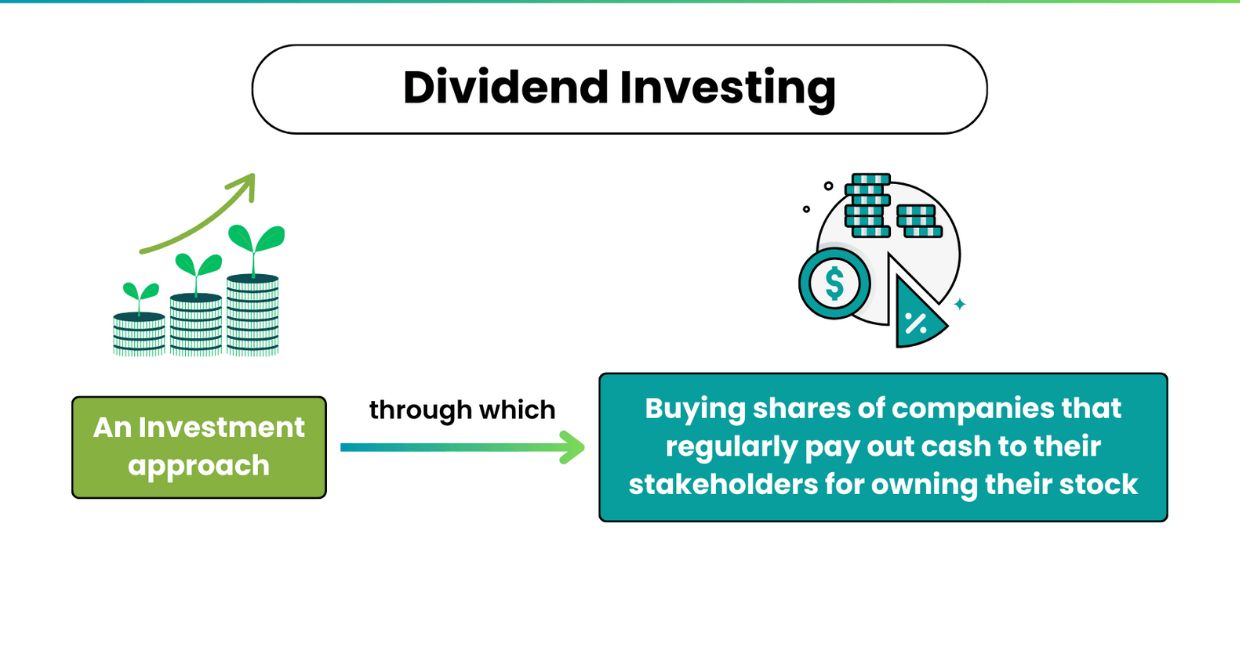
Dividend investing is an investment strategy focused on buying stocks that regularly pay cash dividends to shareholders. These dividends usually come from the company’s profits and are distributed quarterly, semi-annually, or annually.
In simple terms, when you invest in dividend-paying companies, you’re not just relying on the stock’s price going up — you’re also getting paid a share of the profits just for holding the stock.
Think of it like owning a rental property: instead of collecting rent from tenants, you collect dividends from companies.
How Dividend Investing Works
When you buy shares of a dividend-paying company, you become a partial owner. If that company performs well and makes a profit, it may choose to distribute a portion of those profits to shareholders in the form of dividends.
For example, if you own 100 shares of a company that pays $1 per share in annual dividends, you’ll receive $100 each year — regardless of the stock’s price movement.
Over time, these dividends can be:
- Reinvested to buy more shares (compounding your returns).
- Collected as income, creating a reliable passive income stream.
This is why many long-term investors love dividend investing — it combines the potential for capital appreciation with steady cash flow.
Why Dividend Investing Is So Popular
Dividend investing isn’t a get-rich-quick strategy. It’s about slow, steady wealth building. Here are some of the main reasons it’s so popular among both beginners and experienced investors:
1. Reliable Passive Income
Dividend stocks pay you regularly — even when you’re not actively trading. This consistent income can help supplement your salary, cover expenses, or fund your retirement.
2. Compounding Returns
When you reinvest your dividends, you buy more shares, which leads to more dividends — a powerful snowball effect known as compounding. Over time, this can dramatically increase your wealth.
3. Lower Volatility
Dividend-paying companies tend to be stable and financially sound, which can help reduce the overall volatility of your investment portfolio.
4. Inflation Protection
Many companies increase their dividends annually. This helps your income keep pace with inflation — something traditional savings accounts often fail to do.
5. Tax Advantages
In many countries, dividend income may be taxed at a lower rate than regular income, making it a tax-efficient investment option.
Types of Dividend Stocks
Not all dividend stocks are created equal. Understanding the different types helps you choose the best fit for your investment goals.
1. High-Yield Stocks
These are companies that pay above-average dividend yields — often between 5% and 10% or higher. They provide strong income, but sometimes the high yield can signal financial risk, so research is essential.
Examples: Utility companies, real estate investment trusts (REITs), and telecommunications firms.
2. Dividend Growth Stocks
These companies have a history of increasing their dividends every year. They’re often financially strong and growing steadily, offering both income and long-term appreciation.
Examples: Johnson & Johnson, Procter & Gamble, and Coca-Cola.
3. Blue-Chip Dividend Stocks
Blue-chip companies are large, established firms with a solid track record of profits and reliability. Their dividends may not be the highest, but they’re stable and predictable.
Examples: Microsoft, Apple, and ExxonMobil.
4. Preferred Stocks
Preferred shares are a special class of stock that pays fixed dividends and has priority over common stockholders when dividends are distributed. They behave like a hybrid between stocks and bonds.
5. Dividend ETFs (Exchange-Traded Funds)
If you don’t want to pick individual stocks, dividend ETFs offer a convenient way to invest in a basket of dividend-paying companies, reducing risk through diversification.
Understanding Dividend Yield and Payout Ratio
Before you invest, it’s crucial to know how to evaluate dividend stocks. Two important metrics are dividend yield and payout ratio.
Dividend Yield
The dividend yield shows how much a company pays in dividends relative to its stock price.
Formula:
Dividend Yield = (Annual Dividend ÷ Share Price) × 100
For example, if a company pays $2 per share in annual dividends and its stock price is $50, the yield is 4%.
Payout Ratio
The payout ratio measures what percentage of a company’s earnings are paid out as dividends.
Formula:
Payout Ratio = (Dividends per Share ÷ Earnings per Share) × 100
A ratio between 30% and 60% is generally healthy. A very high payout ratio might mean the company isn’t reinvesting enough to grow, while a low one might mean room for future increases.
How to Start Dividend Investing — Step by Step
Building a dividend portfolio isn’t complicated, but it requires planning, patience, and discipline. Here’s a clear step-by-step approach:
Step 1: Set Your Financial Goals
Ask yourself what you want from dividend investing:
- Do you want to generate retirement income?
- Supplement your salary?
- Reinvest dividends for long-term growth?
Your goals will influence your stock choices and risk tolerance.
Step 2: Open a Brokerage Account
Choose a reliable brokerage platform that offers low fees, dividend reinvestment plans (DRIPs), and access to a variety of dividend stocks.
Step 3: Research Dividend-Paying Companies
Look for companies that have:
- A consistent dividend history (at least 10 years).
- Strong cash flow and manageable debt.
- A history of increasing dividends.
- Stable earnings and competitive advantages.
Step 4: Check Dividend Metrics
Use financial websites or tools to check:
- Dividend yield (avoid chasing yields above 8% unless justified).
- Payout ratio (preferably under 60%).
- Dividend growth rate (5–10% annually is healthy).
Step 5: Diversify Your Portfolio
Don’t rely on just one or two dividend stocks. Spread your investments across:
- Sectors (tech, healthcare, utilities, consumer goods).
- Regions (U.S., Europe, emerging markets).
- Company sizes (large-cap, mid-cap, small-cap).
Diversification helps protect your income if one company cuts its dividend.
Step 6: Reinvest Dividends
Most brokerages allow automatic dividend reinvestment. This means your dividends are used to buy more shares, compounding your returns without extra effort.
Step 7: Monitor and Adjust
Review your dividend portfolio every few months. Make sure:
- Companies are still financially strong.
- Dividends remain sustainable.
- You rebalance when necessary to maintain diversification.
How Dividend Reinvestment Builds Wealth
One of the biggest advantages of dividend investing is compounding through reinvestment.
For instance, if you invest $10,000 in a dividend stock paying 4% annually, you’d earn $400 in dividends the first year. If you reinvest those dividends, the next year you’ll earn dividends on $10,400 — and so on.
Over 20 years, this can multiply your initial investment significantly, especially if the company also increases its dividend each year.
This is the power of compound growth — your money earning more money automatically.
Risks of Dividend Investing
While dividend investing is relatively safe, it’s not risk-free. Here are key risks to understand:
1. Dividend Cuts
Companies can reduce or suspend dividends during tough times. Always choose firms with stable earnings and strong balance sheets.
2. Interest Rate Fluctuations
When interest rates rise, some investors move away from dividend stocks to fixed-income securities, which can lower stock prices temporarily.
3. Overreliance on High Yields
A high yield can be tempting, but sometimes it signals that the company’s stock price has fallen due to poor performance. Always research why a yield is high.
4. Market Volatility
Dividend stocks are less volatile than growth stocks, but they can still fluctuate with the market.
5. Tax Implications
In some countries, dividends are taxed differently than capital gains, so check how dividend income is treated in your tax bracket.
Real-World Example of Dividend Investing
Let’s say you invest $5,000 each year for 10 years in a portfolio of dividend-paying stocks averaging a 4% yield and 6% annual growth.
After a decade of reinvesting dividends, your portfolio could be worth around $73,000 — and it would generate about $2,900 in annual dividends.
If you keep reinvesting, that dividend income could reach $10,000 per year in another decade — essentially creating a self-sustaining passive income stream.
Dividend Investing Strategies for Beginners
1. The Dividend Growth Strategy
Focus on companies that consistently raise their dividends. These “Dividend Aristocrats” (firms with 25+ years of increases) are a great foundation for any portfolio.
2. The High-Yield Strategy
Select companies with higher yields for immediate income — but balance them with safer, lower-yielding stocks.
3. The Total Return Strategy
Combine dividend income with capital appreciation by investing in companies that grow both earnings and stock price.
4. The ETF Approach
If picking individual stocks feels daunting, invest in dividend ETFs that track indexes like the S&P 500 Dividend Aristocrats or global dividend funds.
Best Dividend Stocks to Consider in 2025
Here are some companies and sectors that have historically provided strong dividend performance (based on consistent data up to 2025):
- Johnson & Johnson (JNJ) – Reliable dividend growth for over 60 years.
- Procter & Gamble (PG) – Steady consumer goods demand ensures strong cash flow.
- Coca-Cola (KO) – Decades of dividend increases and global reach.
- PepsiCo (PEP) – Balanced growth and consistent payouts.
- Realty Income (O) – Known as “The Monthly Dividend Company.”
- Microsoft (MSFT) – Tech dividend grower with massive free cash flow.
- Vanguard Dividend Appreciation ETF (VIG) – A diversified ETF with high-quality dividend growth companies.
(Note: These are educational examples, not financial advice.)
Building Long-Term Wealth Through Dividend Investing
The key to success with dividend investing isn’t timing the market — it’s time in the market. Long-term investors benefit from compounding dividends, steady reinvestment, and patience.
By focusing on high-quality companies that consistently reward shareholders, you can build a portfolio that generates dependable income — even in volatile markets.
Many retirees live entirely off dividends, while others use them to supplement other income sources. The sooner you start, the more powerful compounding becomes.
Final Thoughts
Dividend investing is one of the most proven, practical ways to earn passive income and build wealth over time. It rewards patience, discipline, and smart reinvestment.
Here’s a quick summary:
- Focus on quality companies with consistent dividend histories.
- Watch your dividend yield and payout ratio.
- Diversify across sectors to reduce risk.
- Reinvest dividends for compounding growth.
- Review and adjust your portfolio periodically.
Whether you’re just starting out or looking to refine your investment approach, dividend investing offers a reliable path toward financial independence — one dividend check at a time.