How to Create an Investment Plan That Actually Works
Investment Plan
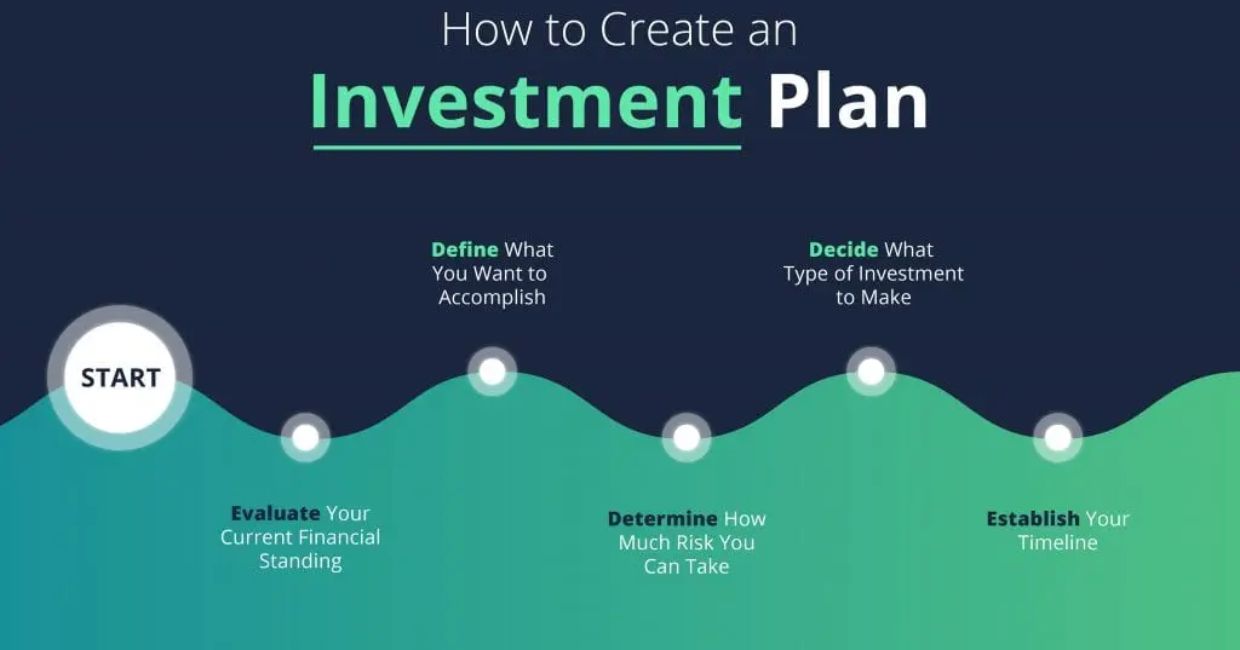
Creating an investment plan that truly works isn’t just about choosing the right stocks or funds — it’s about building a clear, personalized strategy that aligns with your goals, risk tolerance, and lifestyle.
Too many people invest without direction. They chase “hot” stocks, follow social media trends, or react emotionally when the market fluctuates. The result? Inconsistent returns, unnecessary stress, and missed opportunities.
If you want to build real wealth and reach your financial goals, you need a solid investment plan — one that’s realistic, flexible, and tailored to you.
This comprehensive guide will walk you step by step through how to create an investment plan that actually works, even if you’re starting from scratch.
How to Start Investing with Little Money
1. Understand Why You Need an Investment Plan
An investment plan is your financial roadmap. It defines where you are, where you want to go, and how you’ll get there.
Without a plan, investing can feel like wandering in a maze. You might make some progress, but without direction, it’s easy to get lost or give up.
Here’s what a good investment plan helps you do:
- Set clear goals — short-term and long-term.
- Determine your ideal asset mix (stocks, bonds, real estate, etc.).
- Stay disciplined during market ups and downs.
- Measure progress and adjust when needed.
Think of it this way: if your money were a car, your investment plan would be the GPS — guiding you to your destination efficiently and safely.
2. Define Your Financial Goals Clearly
Every successful investment plan starts with specific goals. You can’t build a roadmap without knowing your destination.
Ask yourself:
- What am I investing for?
- When do I need the money?
- How much do I need?
Types of Investment Goals
- Short-term goals (1–3 years):
- Emergency fund
- Vacation or car purchase
- Paying off small debts
- Medium-term goals (3–10 years):
- Buying a home
- Starting a business
- Funding children’s education
- Long-term goals (10+ years):
- Retirement savings
- Financial independence
- Leaving a legacy
Each goal will require a different investment approach. For example, money you need in two years shouldn’t be invested in volatile stocks — but your retirement fund can handle more risk for higher long-term returns.
3. Assess Your Current Financial Situation
Before investing, take a clear look at where you stand financially.
Evaluate These Key Areas:
- Income and expenses: How much can you afford to invest each month?
- Debts: Pay off high-interest debts (like credit cards) before investing heavily.
- Emergency savings: Keep at least 3–6 months of expenses in a liquid account.
- Existing investments: Review what you already have in savings, mutual funds, or retirement accounts.
This analysis gives you a baseline. You’ll know how much risk you can afford to take and how much you can invest comfortably without hurting your daily life.
4. Determine Your Risk Tolerance
Risk tolerance is your ability — emotionally and financially — to handle market ups and downs.
Some people can watch their portfolio drop 20% and stay calm. Others panic at a 5% dip. Understanding your comfort level will help you choose the right investments.
Ask Yourself:
- How would I feel if my investments lost 10% in value overnight?
- Do I prioritize steady growth or higher potential returns?
- How long can I leave my money invested without needing it?
As a general rule:
- Younger investors can afford to take more risk since they have time to recover.
- Older investors or those nearing retirement should focus on preserving capital.
You can also take online risk tolerance quizzes offered by financial institutions like Vanguard, Fidelity, or Charles Schwab to help define your comfort level.
5. Set a Realistic Investment Budget
You don’t need to be wealthy to start investing — you just need consistency.
Decide how much you can invest regularly. It could be $25, $100, or $500 per month. What matters most is sticking to your plan.
Use the 50/30/20 Rule:
- 50% of your income → Needs (rent, bills, groceries)
- 30% → Wants (entertainment, travel)
- 20% → Savings and investments
If possible, increase your investment percentage as your income grows. Remember, small consistent contributions can turn into large sums thanks to compound growth over time.
6. Choose the Right Investment Accounts
Your investment account is where your money grows. Choosing the right type can help you save on taxes and increase returns.
Common Investment Account Options:
- Brokerage Account:
- Flexible; buy and sell stocks, ETFs, mutual funds.
- No tax benefits, but no withdrawal limits.
- Retirement Accounts:
- 401(k): Employer-sponsored; often includes matching contributions.
- IRA / Roth IRA: Tax advantages; perfect for long-term retirement savings.
- Education Accounts:
- 529 Plans: Save for a child’s education tax-free.
Your plan may include a mix of these depending on your goals. If you’re just starting, open a low-fee brokerage account that allows fractional shares, so you can invest even small amounts.
7. Decide on Your Asset Allocation
Asset allocation is the heart of your investment plan. It determines how you divide your money among different investment types — like stocks, bonds, and cash — based on your goals and risk tolerance.
A Simple Example:
- Aggressive Investor (High Risk): 80% stocks, 15% bonds, 5% cash
- Moderate Investor: 60% stocks, 30% bonds, 10% cash
- Conservative Investor (Low Risk): 40% stocks, 50% bonds, 10% cash
Diversification Is Key
Never put all your eggs in one basket.
Diversifying your investments across industries, countries, and asset types helps reduce risk. If one area underperforms, another can balance it out.
8. Choose the Right Investment Vehicles
Once your asset allocation is set, you need to pick the right investment vehicles to fill those categories.
a. Stocks
Offer the highest potential returns but come with volatility. Ideal for long-term growth.
b. Bonds
Provide steady income with lower risk. Great for stability and balance.
c. ETFs and Index Funds
Perfect for beginners. They track market indexes (like the S&P 500) and provide instant diversification at low cost.
d. Mutual Funds
Managed by professionals. Good for hands-off investors, though fees can be higher.
e. Real Estate
Offers passive income and diversification but requires more research.
f. REITs (Real Estate Investment Trusts)
An easier way to invest in real estate without buying physical property.
The right mix will depend on your goals and comfort level with risk.
9. Automate Your Investments
One of the easiest ways to ensure your investment plan works is to automate it.
Set up automatic transfers from your bank account to your investment or retirement account every month. This strategy — known as dollar-cost averaging — invests a fixed amount regularly, regardless of market conditions.
Benefits of Automation:
- Removes emotion from investing.
- Ensures consistency.
- Takes advantage of market fluctuations.
When you automate, you’re investing before you get the chance to spend the money elsewhere — building wealth effortlessly.
10. Reinvest Your Earnings
If your investments pay dividends or interest, reinvest them instead of cashing out.
This allows your money to compound faster. Many brokers offer DRIP (Dividend Reinvestment Plans), which automatically reinvests your earnings to buy more shares.
Over time, this snowball effect can significantly boost your portfolio’s value.
11. Keep Costs and Taxes Low
Fees and taxes can silently erode your returns — even more than market downturns.
Here’s how to minimize them:
- Choose low-cost index funds or ETFs (expense ratio under 0.25%).
- Avoid frequent trading (which increases transaction fees and taxes).
- Use tax-advantaged accounts like Roth IRAs.
If you hold investments long-term, you’ll also benefit from lower capital gains taxes.
12. Monitor and Review Your Plan Regularly
Your investment plan isn’t a “set it and forget it” document. It should evolve with your life.
Review your plan at least once a year to ensure it aligns with your goals and market conditions.
When to Adjust:
- Major life events (new job, marriage, children).
- Changes in income or expenses.
- Shifts in financial goals (buying a house, retiring early).
- Market changes that impact your risk tolerance.
Rebalancing your portfolio ensures you’re not overexposed to one type of investment. For instance, if stocks have performed well, you might have more risk than intended — so you’d sell some and reinvest in bonds to stay balanced.
13. Stay Emotionally Disciplined
Emotions are one of the biggest threats to a successful investment plan.
When markets rise, people feel greedy. When they fall, fear takes over. Both lead to bad decisions — like buying high and selling low.
Remember:
- Market dips are normal. They’re part of the journey.
- Focus on long-term trends, not short-term noise.
- Stick to your plan — especially when it’s tempting to deviate.
Patience and discipline are what separate successful investors from the rest.
14. Learn Continuously
The best investors never stop learning.
Read books, follow reputable financial blogs, and stay updated on global markets.
Some great beginner-friendly resources:
- The Simple Path to Wealth by JL Collins
- The Intelligent Investor by Benjamin Graham
- Your Money or Your Life by Vicki Robin
The more you learn, the better decisions you’ll make — and the more confidence you’ll have in your investment strategy.
15. Seek Professional Advice if Needed
If you feel overwhelmed or unsure, don’t hesitate to consult a certified financial advisor.
A good advisor can:
- Help define your goals.
- Build a diversified portfolio.
- Optimize your taxes.
- Keep you accountable to your plan.
Just be sure to choose a fiduciary advisor, meaning they are legally required to act in your best interest.
16. Be Patient — Wealth Takes Time
One of the biggest reasons investment plans fail is impatience.
Building wealth is not about quick wins — it’s about slow, steady, consistent growth.
Even small investments can grow into large sums over time. For example:
- Investing $200 per month at an average 8% annual return can grow to over $350,000 in 30 years.
The key is to stay consistent and give your money time to compound.
17. Protect Your Investments
As your wealth grows, so should your protection strategy.
Make sure you have:
- Insurance coverage (life, health, property).
- A will or estate plan to manage your assets.
- Secure online accounts with two-factor authentication.
Wealth protection is as important as wealth creation — it ensures your money works for you and your loved ones long term.
18. Keep Your Plan Simple
Don’t overcomplicate things. The most effective investment plans are often the simplest.
Focus on:
- Consistent contributions.
- Diversification.
- Long-term perspective.
A straightforward approach reduces stress, helps you stay disciplined, and delivers reliable results.
19. Celebrate Small Wins
Investing can feel like a long journey, so celebrate progress along the way.
Every milestone — your first $1,000, first dividend, or first year of consistent investing — brings you closer to financial independence.
Recognizing these achievements keeps you motivated and reinforces good financial habits.
20. Final Thoughts: Build a Plan That Fits You
There’s no universal formula for the perfect investment plan. The “right” plan is the one that fits your goals, your risk tolerance, and your lifestyle.
When you invest with clarity and purpose, you’re not just chasing returns — you’re building a foundation for long-term financial freedom.
Remember these golden rules:
- Start with your goals, not trends.
- Diversify wisely.
- Automate and stay consistent.
- Keep learning and adjusting.
The sooner you start, the sooner your money can begin working for you — and the more secure your financial future will be.
Your future self will thank you for starting today.
Conclusion
Creating an investment plan that actually works isn’t about timing the market — it’s about time in the market.
With a clear strategy, disciplined mindset, and consistent effort, anyone — regardless of income level — can grow wealth and achieve financial independence.
So start small, stay focused, and remember: the best investment you can make is in your future.