Wealth Building 101: How to Start from Zero

Wealth Building
Building wealth from nothing may sound like a dream reserved for entrepreneurs, investors, or those born into privilege. However, countless self-made millionaires started with absolutely nothing — no family money, no degrees from elite universities, and sometimes not even stable jobs. What they shared, though, was a plan, persistence, and a deep understanding of how money works.
Wealth building isn’t about luck; it’s about mastering financial habits, setting clear goals, and making your money work for you. Whether you’re in your 20s starting your career or in your 40s trying to rebuild, you can create wealth from the ground up with the right mindset and strategies.
This comprehensive guide will walk you through how to build wealth from zero, step by step — no gimmicks, no unrealistic promises — just proven financial principles and strategies that truly work.
Simple Wealth Building Strategies for Beginners
1. Understand What Wealth Building Really Means
Before you begin, it’s important to understand what “wealth” truly is.
Wealth isn’t just about having money in the bank — it’s about financial freedom. It’s the ability to live life on your terms, make choices without being controlled by financial stress, and ensure long-term security for yourself and your family.
In simple terms:
- Income is what you earn.
- Savings is what you keep.
- Investments are what make your money grow.
- Wealth is when your money works harder than you do.
Building wealth means accumulating assets that generate income and appreciate in value — stocks, real estate, businesses, or even intellectual property. The key is shifting your mindset from earning to owning.
2. Start with Your Mindset: The Foundation of Wealth
The biggest barrier to wealth isn’t lack of opportunity — it’s often the mindset. Many people believe wealth is for the “lucky few,” which creates mental blocks. To build wealth, you need to adopt an abundance mindset and believe you’re capable of creating value and financial success.
Here’s how to cultivate a wealth-building mindset:
- Take responsibility for your financial situation. Don’t blame circumstances — focus on what you can control.
- Think long-term. Wealth isn’t built overnight; it’s a process of compounding over time.
- Embrace learning. Financial literacy is your most powerful tool.
- Avoid comparing yourself to others. Everyone starts from different places.
- Adopt discipline and patience. These are the invisible engines behind every success story.
3. Get a Clear Picture of Your Current Financial Situation
Before you start your journey, you must know where you stand.
Create a simple financial snapshot:
- Write down your income sources.
- List all your expenses (fixed and variable).
- Identify your debts — credit cards, student loans, personal loans, etc.
- Determine your net worth (assets minus liabilities).
Even if your net worth is negative, don’t panic. Many wealthy people once had more debt than assets. The key is to use this information to build your strategy.
4. Create a Budget and Live Below Your Means
Budgeting is not about restriction — it’s about direction. You need to know where every rupee or dollar is going and ensure it aligns with your goals.
A simple and effective method is the 50/30/20 rule:
- 50% for needs (housing, food, utilities)
- 30% for wants (entertainment, leisure)
- 20% for savings and investments
However, if you’re starting from zero, you may need to flip this approach temporarily — cut unnecessary wants and aggressively save or pay off debt.
Living below your means isn’t glamorous, but it’s the foundation of financial independence. Every dollar you save is a seed for future wealth.
5. Eliminate Bad Debt and Manage Credit Wisely
Debt can either destroy wealth or help you build it — it all depends on how you use it.
- Bad debt: High-interest credit cards, payday loans, or personal loans used for consumption. These drain your wealth.
- Good debt: Used for appreciating assets — real estate, education, or business investments.
Start by paying off high-interest debt first using methods like:
- Debt Snowball Method (start with smallest debt for quick wins)
- Debt Avalanche Method (start with highest interest rate to save money)
Once you’re debt-free, focus on maintaining a strong credit score, which will help you qualify for lower interest rates and investment opportunities in the future.
6. Build an Emergency Fund
Before you invest, you need a financial safety net. An emergency fund is your first line of defense against life’s unpredictability — job loss, medical emergencies, or unexpected expenses.
Aim to save 3 to 6 months of living expenses in a separate, easily accessible savings account.
This fund prevents you from dipping into investments or taking high-interest loans when life throws curveballs.
7. Increase Your Income Sources
You can only cut so many expenses. The real game-changer is increasing your income streams.
Here’s how:
- Ask for raises or promotions. If you’ve proven your value, negotiate your worth.
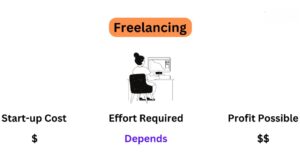
- Start a side hustle. Freelancing, online tutoring, affiliate marketing, or selling digital products can create extra income.
- Learn new skills. In-demand skills like coding, copywriting, or digital marketing can significantly boost your earning potential.
- Invest in yourself. Education and self-improvement often yield the highest returns.
The wealthiest people don’t rely on one paycheck — they build multiple streams of income that protect them against risk.
8. Master the Art of Saving and Investing
Saving helps you survive; investing helps you thrive.
If you want your wealth to grow, you must put your money to work. Start small — consistency matters more than size in the beginning.
Types of Investments to Consider
- Stocks – Ownership in companies that can grow over time.
- Index Funds/ETFs – Diversified, low-cost investments ideal for beginners.
- Real Estate – Physical or digital properties that appreciate and generate rent.
- REITs – Real Estate Investment Trusts for those who want real estate exposure without owning property.
- Bonds – Low-risk options for steady income.
- Business Ownership – Starting your own business or investing in others.
The earlier you start, the more compound interest works in your favor. Even a modest monthly investment can grow exponentially over time.
9. Automate Your Finances
One of the best wealth-building secrets is automation. It removes emotion and inconsistency from financial decisions.
Here’s what to automate:
- Savings transfers right after payday.
- Investment contributions through automatic plans.
- Bill payments to avoid penalties and missed payments.
By automating your finances, you ensure your goals are funded first — before lifestyle spending takes over.
10. Protect Your Wealth
Once you start building assets, protecting them becomes crucial. Many people focus on making money but overlook risk management.
Key protection strategies:
- Insurance: Health, life, and property insurance safeguard against financial disasters.
- Emergency fund: As discussed earlier, it’s your backup plan.
- Diversification: Don’t put all your money in one asset or market.
- Estate planning: Draft a simple will or trust to ensure your assets are handled as you wish.
Remember, wealth unprotected is wealth at risk.
11. Continue Learning and Adapting
Wealth building isn’t static — it’s a lifelong learning process. Markets evolve, economies shift, and new opportunities emerge.
Read books, attend workshops, and follow reputable financial experts. A few timeless reads include:
- The Richest Man in Babylon by George S. Clason
- Rich Dad Poor Dad by Robert Kiyosaki
- The Millionaire Next Door by Thomas J. Stanley and William D. Danko
Learning keeps you informed and confident in making sound financial decisions.
12. Practice Patience and Consistency
One of the hardest lessons in wealth building is patience.
There are no shortcuts or overnight successes — true wealth is built slowly, consistently, and intentionally. Compounding takes time.
Instead of trying to get rich quick, focus on getting rich sure.
Avoid gambling on risky schemes, meme stocks, or crypto hype without research. Stay focused on your long-term strategy, and let time do the heavy lifting.
13. Build Passive Income Streams
Passive income is the holy grail of wealth building — money that flows in even when you’re not actively working.
Examples include:
- Dividend-paying stocks
- Rental properties
- Royalties from books, courses, or designs
- Affiliate marketing
- Digital product sales
- Automated online businesses
The goal is to create assets that continuously generate cash flow, freeing your time while your wealth compounds.
14. Surround Yourself with Financially-Minded People
Your environment shapes your financial behavior.
Surround yourself with people who talk about business ideas, investments, and growth — not just spending and entertainment.
Join online communities, attend networking events, or find a mentor who can guide you. A supportive circle can motivate you, share opportunities, and help you stay accountable.
15. Give Back and Build Legacy Wealth
True wealth isn’t just about accumulation — it’s about impact.
As you grow financially, find ways to give back — whether through charity, mentoring others, or supporting causes you believe in. Generosity fosters gratitude, perspective, and purpose.
Additionally, think about legacy wealth — the wealth you’ll leave behind. Teach your children or younger relatives about money management. Passing down financial literacy is one of the greatest gifts you can give.
16. Common Mistakes to Avoid When Building Wealth
Even the most disciplined individuals can fall into traps that derail progress. Avoid these:
- Lifestyle inflation — increasing spending as income grows.
- Not investing early — waiting for the “perfect” time.
- Ignoring debt — allowing interest to eat your future wealth.
- Falling for scams or get-rich-quick schemes.
- Neglecting financial education.
Wealth building is as much about avoiding mistakes as it is about making the right moves.
17. Final Thoughts: Your Wealth Journey Starts Today
Starting from zero can feel overwhelming — but remember, every success story began somewhere. Whether you’re struggling with debt, earning a low income, or just starting your career, what matters most is your commitment to change.
Building wealth isn’t about luck or background. It’s about decisions — consistent, disciplined financial decisions that compound over time.
So start today:
- Create a plan.
- Save consistently.
- Invest wisely.
- Keep learning.
- Be patient.
If you take small, intentional steps daily, your financial future will look drastically different in five, ten, or twenty years. The earlier you start, the greater your advantage.
Wealth isn’t built overnight — but with the right mindset, strategy, and discipline, it’s absolutely possible to go from zero to financial freedom.