Simple Wealth Building Strategies for Beginners

Wealth Building Strategies
Wealth Building Strategies
Building wealth may sound complicated — something reserved for financial experts, entrepreneurs, or those with large inheritances. But in truth, anyone can build wealth, no matter where they start. The key lies in developing the right habits, mindset, and strategies.
Wealth building doesn’t happen overnight, and it doesn’t require a six-figure salary. What it truly requires is consistency, patience, and a plan. Whether you’re in your 20s, 30s, or beyond, you can begin today and steadily create the financial life you’ve always dreamed of.
This comprehensive guide will explain simple wealth building strategies for beginners — practical, realistic, and proven steps to help you take control of your financial future.
How to Create a Personal Wealth Plan
1. Understand What Wealth Building Really Means
Before diving into strategies, it’s important to understand what wealth building truly is. Wealth isn’t just about making a lot of money — it’s about keeping and growing it.
Wealth is the combination of your income, savings, assets, and investments that work together to create long-term financial freedom. It’s not measured by how much you earn, but by how much you keep, invest, and make grow over time.
In short:
- Income gives you options.
- Savings give you security.
- Investments give you freedom.
Wealth building means learning to manage all three wisely.
2. Start with the Right Mindset
Your mindset is the foundation of financial success. You can’t build wealth with a poverty mentality. The wealthy think long-term, take responsibility for their finances, and continuously seek knowledge.
Here’s how to adopt a wealth-building mindset:
- Believe wealth is achievable. Many people stay broke because they believe wealth is out of reach.
- Take full responsibility. Stop blaming circumstances and focus on what you can control.
- Think long-term. Wealth is built through decades, not days.
- Be patient and consistent. Even small progress compounds over time.
- Invest in learning. Financial literacy is the strongest foundation for wealth.
Once you start seeing money as a tool rather than a burden, you’ll begin making smarter choices that move you forward.
3. Create a Budget and Track Your Spending
You can’t build wealth if you don’t know where your money is going. Budgeting is one of the simplest yet most powerful strategies for beginners.
A budget helps you control spending, save more, and plan for investments.
Steps to Build a Simple Budget
- List your income sources. Include your salary, side hustles, and any other income.
- Track your monthly expenses. Use categories like rent, food, utilities, transportation, and entertainment.
- Identify wasteful spending. Cut unnecessary subscriptions or impulse buys.
- Set spending limits. Decide how much you’ll allocate to each category.
A popular rule is the 50/30/20 rule:
- 50% for needs
- 30% for wants
- 20% for savings and investments
Even if you can’t save 20% right away, start with what you can. The habit matters more than the amount.
4. Pay Off High-Interest Debt
Debt is one of the biggest obstacles to wealth. While not all debt is bad, high-interest debt, like credit card balances, can destroy your financial progress.
Here’s How to Manage It:
- List all your debts and note their interest rates.
- Pay off the highest interest first (the debt avalanche method).
- Or start with the smallest debt first (the snowball method) for motivation.
- Avoid taking new unnecessary debt.
- Refinance or consolidate if you can lower your interest rate.
Every dollar you pay off is a dollar you can redirect toward building wealth later.
5. Build an Emergency Fund
An emergency fund is your first financial safety net. It prevents you from going into debt when life throws unexpected expenses your way — like medical bills, car repairs, or job loss.
How Much Should You Save?
Aim to save 3 to 6 months of living expenses in a separate savings account.
Start small if you have to — even $500 can be a good beginning. The key is to build it gradually and consistently.
6. Save Before You Spend
Most people spend first and then try to save what’s left — which usually means nothing gets saved. To build wealth, you must reverse that pattern.
As soon as you get paid:
- Set aside your savings and investment contributions first.
- Then use what’s left for expenses.
This approach, known as “paying yourself first,” ensures that you prioritize your future over short-term wants. Automate your savings if possible, so it happens without effort.
7. Invest Early — Even with Small Amounts
Saving money alone won’t make you wealthy. Inflation slowly reduces its value. Investing, however, allows your money to grow through compound interest — earning money on your earnings.
The earlier you start, the more time your money has to multiply.
Beginner-Friendly Investment Options
- Index Funds or ETFs: Low-cost and diversified, ideal for beginners.
- Stocks: Partial ownership in companies — great for long-term growth.
- Bonds: Lower risk, suitable for stability.
- Real Estate or REITs: Build passive income through property ownership or trusts.
- Retirement Accounts: Such as IRAs or pension funds.
Start with small amounts regularly — even $50 or $100 a month. The magic of compounding can turn small investments into significant wealth over time.
8. Automate Your Finances
Automation makes wealth building effortless and consistent. You remove emotion and inconsistency from your financial habits.
What to Automate:
- Automatic transfers to savings or investment accounts
- Automatic bill payments to avoid late fees
- Automatic retirement contributions
This “set it and forget it” system ensures you stay on track even when life gets busy.
9. Build Multiple Income Streams
Most wealthy people don’t rely on one paycheck. They create multiple income sources — active and passive.
This diversification protects you from financial risk and accelerates wealth growth.
Ways to Build Extra Income
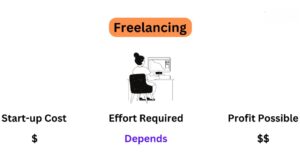
- Start a side hustle (freelancing, tutoring, design, or selling products).
- Invest in real estate for rental income.
- Monetize your skills online through digital products or consulting.
- Dividend-paying stocks that generate recurring income.
Even small additional income streams can significantly speed up your financial progress.
10. Live Below Your Means
This is one of the simplest — yet most ignored — wealth-building strategies. Living below your means doesn’t mean living miserably. It means being mindful about where your money goes and prioritizing long-term security over short-term pleasure.
Practical Tips
- Avoid unnecessary upgrades just to impress others.
- Cook at home more often.
- Drive a car you can afford.
- Track recurring expenses and eliminate waste.
The difference between your income and expenses is your wealth-building margin. The wider that margin, the faster your wealth grows.
11. Educate Yourself About Money
Financial education is the key to wealth. The more you understand how money works, the smarter your decisions become.
Ways to Improve Financial Knowledge
- Read personal finance books (like Rich Dad Poor Dad or The Millionaire Next Door).
- Follow reputable financial blogs or podcasts.
- Learn about investing, taxes, and budgeting.
- Take online courses in financial literacy.
Knowledge compounds just like money — the more you know, the better you’ll grow your wealth.
12. Set Clear Financial Goals
Without a destination, any path will do. Setting goals gives direction to your financial journey.
Set SMART Goals:
- Specific: “Save $10,000 in 12 months.”
- Measurable: Track your progress monthly.
- Achievable: Make sure it’s realistic.
- Relevant: Tied to your bigger life vision.
- Time-bound: Give it a clear deadline.
Having short-term and long-term goals keeps you focused and motivated, even when progress feels slow.
13. Diversify Your Investments
One of the golden rules of wealth building is: Don’t put all your eggs in one basket.
Diversification spreads your risk and increases your chances of consistent returns.
For example:
- Invest in both stocks and bonds.
- Include real estate or mutual funds.
- Hold some cash for opportunities or emergencies.
A well-diversified portfolio can weather market ups and downs while continuing to grow steadily.
14. Protect Your Wealth
Building wealth takes time, but losing it can happen overnight if you’re not protected.
Ways to Safeguard Your Wealth
- Insurance: Health, life, and property insurance protect you from major financial shocks.
- Emergency Fund: Always keep it intact.
- Avoid risky investments that promise quick riches.
- Plan your estate: Draft a will and designate beneficiaries.
Financial protection ensures that your wealth stays safe, no matter what life throws at you.
15. Build Passive Income Sources
Passive income is the ultimate step toward financial freedom — money that flows in without constant effort.
Examples of Passive Income
- Rental properties
- Dividend-paying stocks
- Affiliate marketing
- Selling digital products or eBooks
- Creating an online course
The goal is to make your money work harder than you do. Over time, these sources can replace your active income entirely.
16. Be Consistent and Patient
Wealth building is a marathon, not a sprint. The key ingredients are time and discipline.
Even if your progress feels slow at first, remember: small steps compound into big results. Avoid comparing your journey to others — focus on improving 1% every day.
Patience and persistence will do more for your wealth than any “get-rich-quick” scheme ever could.
17. Avoid Lifestyle Inflation
As your income grows, it’s tempting to upgrade everything — a bigger house, a newer car, or fancier vacations. This is called lifestyle inflation, and it can sabotage your progress.
Instead:
- Keep living like you did when you earned less.
- Direct the extra income into investments.
- Celebrate milestones modestly without overspending.
Wealthy people increase their assets, not their expenses.
18. Surround Yourself with Financially Smart People
Your environment plays a huge role in your financial behavior. Surround yourself with people who encourage saving, investing, and growth.
Find mentors or communities that focus on personal finance and entrepreneurship. Positive influence can help you stay motivated and accountable.
19. Revisit and Adjust Your Plan Regularly
Your financial situation and goals will evolve over time — promotions, new opportunities, or family changes will shift your priorities.
Review your finances every few months:
- Check your budget.
- Evaluate investment performance.
- Update goals as needed.
- Rebalance your portfolio.
This ensures your plan stays aligned with your current life stage.
20. Give Back and Stay Grateful
True wealth isn’t just about money — it’s about meaning. As your financial situation improves, find ways to give back. Whether it’s donating, mentoring, or helping your community, generosity adds value to your life and keeps your relationship with money healthy.
Gratitude keeps you grounded, reminding you of how far you’ve come and why you started.
Final Thoughts: Start Small, Start Now
Wealth building doesn’t require luck, a high income, or perfect timing — it requires action and consistency.
Here’s a recap of the simplest wealth-building strategies for beginners:
- Budget and track your spending.
- Pay off high-interest debt.
- Save consistently.
- Build an emergency fund.
- Invest early and regularly.
- Live below your means.
- Create multiple income streams.
- Protect your assets and your mindset.
Remember — small steps done consistently lead to massive results. Start today with what you have, where you are. In a few years, your future self will thank you for taking control and committing to building a better, wealthier life.